bluename
 How to Care for Sundew in Small Spaces (Apartments and Balconies)
I love carnivorous plants, but for years, I thought they were off-limits. Living in an apartment with a tiny, shaded balcony, I was convinced I lacked the space and sunlight for these fascinating, sticky predators. My dream of growing a sundew felt impossible until I decided to experiment. I’m here to tell you that not only is it possible, but it can also be incredibly rewarding. Over the past two years, I’ve successfully cultivated several sundew species in my limited urban space, learning through trial, error, and a lot of sticky fingers. This guide is my firsthand account of how to care for sundew when square footage is scarce. I’ll walk you through my exact setup, a detailed two-week observation log of a new plant’s adjustment, the mistakes I made (so you don’t have to), and the simple solutions that led to thriving, dewy plants.
Why Sundews Are Perfect for Small-Space Growers
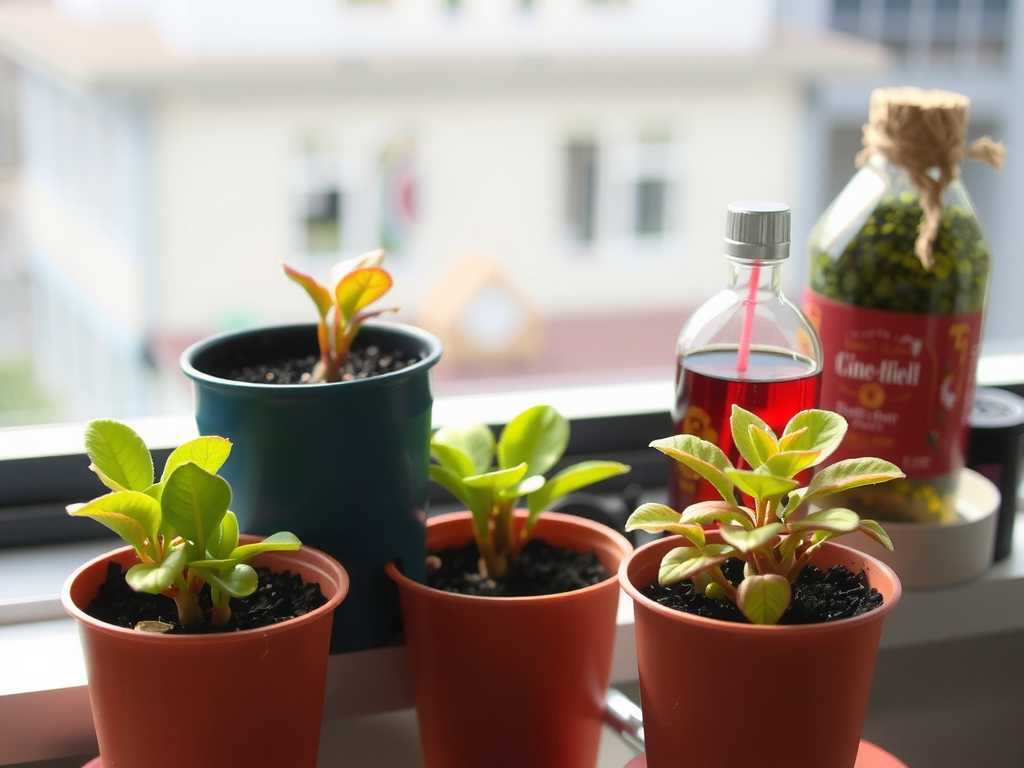
You might wonder why a carnivorous plant is a good fit for an apartment. Unlike Venus flytraps that need intense, direct sun, many sundew species (Drosera) are more adaptable. They are primarily bog plants, meaning their needs are specific but straightforward: pure water, bright light, and the right soil. Their compact size and vertical growth habit make them ideal for windowsills, shelves, or small balcony tables. The key is mimicking their natural environment in a controlled, miniature ecosystem.
My Essential Sundew Setup for Apartments
This isn’t a theoretical list; this is the exact gear I use daily. Forget complicated terrariums—simplicity wins.
Lighting: The Non-Negotiable Foundation
Light is the most critical factor. Sundews need bright, prolonged light to produce the sticky, dew-covered tentacles that catch prey. My north-facing balcony was a total failure—my first sundew became pale and dew-less. I learned my lesson.
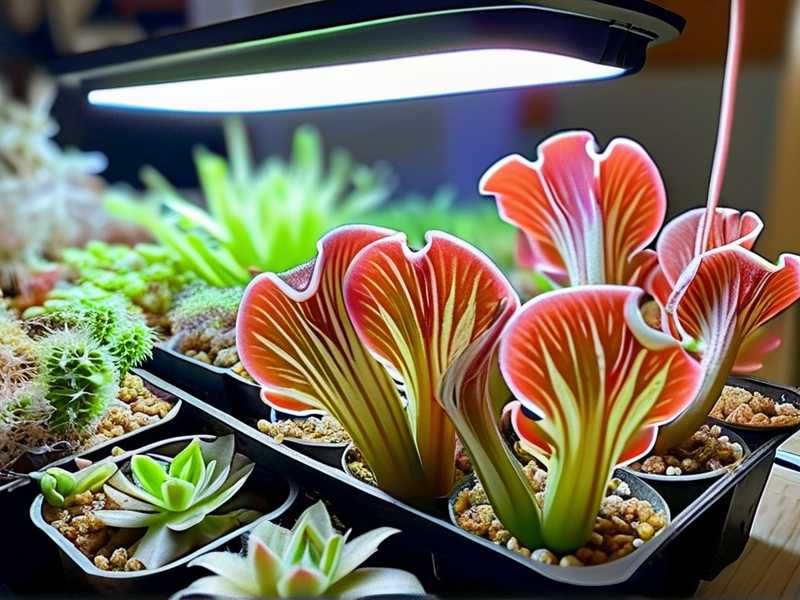
My solution was a simple, affordable LED grow light. I use a full-spectrum panel placed about 15-20 cm above the plants, running for 12-14 hours daily via a timer. According to the Carnivorous Plant Society, artificial lighting is a highly effective and often superior method for indoor cultivation, allowing precise control over photoperiod and intensity. For a sunny south or west-facing windowsill, natural light might suffice, but in my space, the grow light was a game-changer. It provided the consistent, strong light my sundews craved without relying on unpredictable weather.
Water and Humidity: Avoiding the Biggest Pitfall
This is where I made my most costly mistake. I used tap water on my first Cape Sundew (Drosera capensis), and within weeks, it was declining. Tap water contains minerals that quickly build up and poison carnivorous plant roots.
The rule is absolute: use only distilled water, reverse osmosis (RO) water, or rainwater. I now keep a dedicated jug of distilled water from the grocery store. For watering, I use the “tray method,” which is perfect for small spaces. My plants sit in plastic pots with drainage holes, and those pots are placed in a shallow saucer or tray. I keep about 1-2 cm of pure water in the tray at all times, letting the soil wick up moisture. This mimics their natural bog habitat perfectly. As for humidity, most common sundews like Drosera capensis adapt well to average apartment humidity (around 40-50%). I don’t use a humidifier. The tray method naturally creates a slightly more humid microclimate around the plant.
Soil and Potting: It’s Not Just Dirt
Never, ever use potting soil, compost, or fertilizer. These will kill your sundew. Their roots are adapted to nutrient-poor conditions.
The standard mix, endorsed by experts at the International Carnivorous Plant Society, is a 50:50 blend of sphagnum peat moss and perlite. I mix my own in a large bowl. The peat provides acidity and moisture retention, while the perlite ensures aeration. I use small plastic pots (10-12 cm wide) which are perfect for a single plant and fit neatly on my trays. Repotting is only needed every year or two when the peat breaks down.
The First Two Weeks: A Diary of Adjustment
When I brought home a new Spoonleaf Sundew (Drosera spatulata) to test this setup, I documented its progress closely. Here’s what I observed:
- Days 1-3: The plant arrived stressed from shipping. Some dew was present but sparse. I placed it immediately under my grow light and filled its tray with distilled water. I resisted the urge to feed it.
- Days 4-7: I noticed the first signs of acclimation. The central, newest leaves began producing more, shinier dew. The older outer leaves continued to decline—this is normal. I removed one brown leaf carefully with tweezers.
- Days 8-14: Significant improvement! The plant’s center was a vibrant rosette of red-tinted, dewy leaves. It had visibly grown. On day 10, I offered a tiny dried bloodworm (fish food) to a single leaf. Within 24 hours, the leaf had curled around it, confirming the plant was healthy and actively carnivorous.
This two-week window showed me that with stable conditions—constant light and pure water—sundews settle in quickly. The care for sundew in apartments is less about daily intervention and more about providing a stable, correct environment.
Feeding Your Sundew in an Enclosed Space
A major concern for indoor growers is: “Will it catch enough food?” In a sealed apartment, gnats and fruit flies are the primary prey. My plants naturally catch these. However, if your space is very clean, supplemental feeding is easy.
I feed mine once every 2-4 weeks during active growth. A single tiny insect per plant is enough. Options include:
- Dried Bloodworms: Rehydrate one in a drop of distilled water.
- Freeze-Dried Insects: Like daphnia or flies from a pet store.
- Maxsea 16-16-16 Fertilizer: This is an expert-approved alternative. I use it sparingly, at 1/4 teaspoon per gallon of distilled water, and apply it as a fine mist to the leaves once a month, avoiding the soil. Never use standard plant fertilizer.
Common Problems and My Practical Solutions
- Problem: Lack of Dew. This was my initial heartbreak. My plant looked green but dry.
- Cause & Fix: Inadequate light. This is almost always the cause. I moved the plant closer to the grow light, ensuring it received 12+ hours of strong light. Dew returned within a week.
- Problem: Brown or Blackening Leaves.
- Cause & Fix: Natural aging, or more critically, mineral burn from bad water or soil. I confirmed I was using distilled water and the correct peat/perlite mix. I trimmed the dead leaves to encourage new growth.
- Problem: Fungus Gnats.
- Cause & Fix: While sundews eat gnats, a large infestation can harm roots. I let the water tray dry out completely for a day or two to interrupt the gnat life cycle in the soil. The sundews themselves helped control the adults. Sticky yellow traps nearby also helped.
Balcony-Specific Considerations
If you have a balcony, you have a fantastic opportunity for summer growth. I move some of my plants outside in late spring when night temperatures stay above 10°C (50°F).
- Acclimation is Key: Don’t just shove them into full sun. I start them in deep shade for a week, then gradually move them to a spot with morning sun and afternoon shade. Too much direct, hot sun can scorch them.
- Watering: Outdoor plants in small pots dry out faster. I check the water tray daily during hot weather.
- Pest Bonus: The balcony is a buffet! My plants catch aphids, flies, and mosquitoes naturally, leading to explosive growth.
Can I Grow Sundews on a Windowsill?
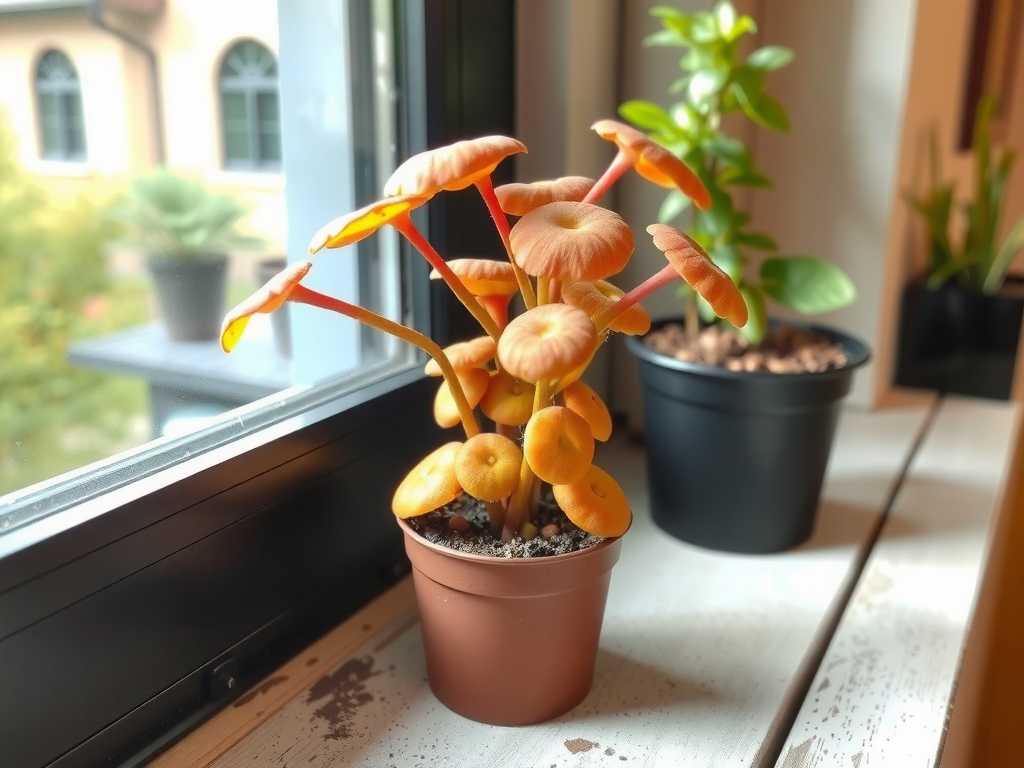
Absolutely. A bright, sunny south or west-facing windowsill is the next best thing to a grow light. I rotated my pot a quarter turn weekly to ensure even growth. The same core rules apply: pure water in a tray, and the correct soil. If the leaves stretch out or lose their red color, they need more light.
What is the best sundew for beginners in small spaces? Without a doubt, the Cape Sundew (Drosera capensis). It’s forgiving, adapts to a wide range of conditions, produces plenty of dew under good light, and readily propagates itself. It’s the plant that survived my early mistakes and taught me the most.
How often should I water my indoor sundew? Don’t water on a schedule. Use the tray method. Always keep 1-2 cm of distilled water in the saucer beneath the pot. Refill it when it goes dry. This is the single easiest way to ensure perfect moisture levels.
Do sundews go dormant in winter? It depends on the species. The beginner-friendly Cape Sundew does not have a dormancy period and will grow year-round under consistent conditions. Many North American or temperate species do require a cold winter dormancy. For apartment growing, starting with tropical species like D. capensis or D. spatulata simplifies care immensely.
Growing sundews in my apartment has been a lesson in precision, not complexity. By focusing on the three pillars of strong light, pure water, and the right soil, you create a miniature world where these captivating plants can flourish. It’s incredibly satisfying to see that first glint of morning dew on a leaf you nurtured, knowing you’ve met its unique needs. Start with a hardy species, be patient during the acclimation period, and enjoy the process. Your own small-space sundew colony is not just a possibility—it’s waiting to happen.