bluename
 How to Care for Sundews: A Complete Guide to Light, Water, Soil & Feeding
Caring for sundews (Drosera spp.) can feel daunting for beginners. These carnivorous plants thrive in conditions that contradict typical houseplant care—yet their jewel-like leaves and insect-catching mechanisms make them irresistible. This guide demystifies sundew care, covering light, water, soil, and feeding to ensure your plant flourishes. Whether you’re growing Drosera capensis outdoors or a tropical species indoors, we’ll address common pain points like improper watering or insufficient humidity that often lead to failure.
Understanding Sundew Basics
Sundews belong to the Droseraceae family and grow naturally in nutrient-poor environments like bogs. Their glandular tentacles secrete a sticky mucilage to trap insects, supplementing nitrogen deficiencies. Over 200 species exist, ranging from temperate Drosera rotundifolia to tropical Drosera adelae. Recognizing your species’ origin is key to replicating its natural habitat.
Why Standard Plant Care Fails
Unlike common houseplants, sundews hate mineral-rich soil and tap water. Their roots absorb nutrients sparingly, relying on digested insects for sustenance. Overfertilizing or using potting mix will quickly damage them.
Light Requirements for Healthy Sundews
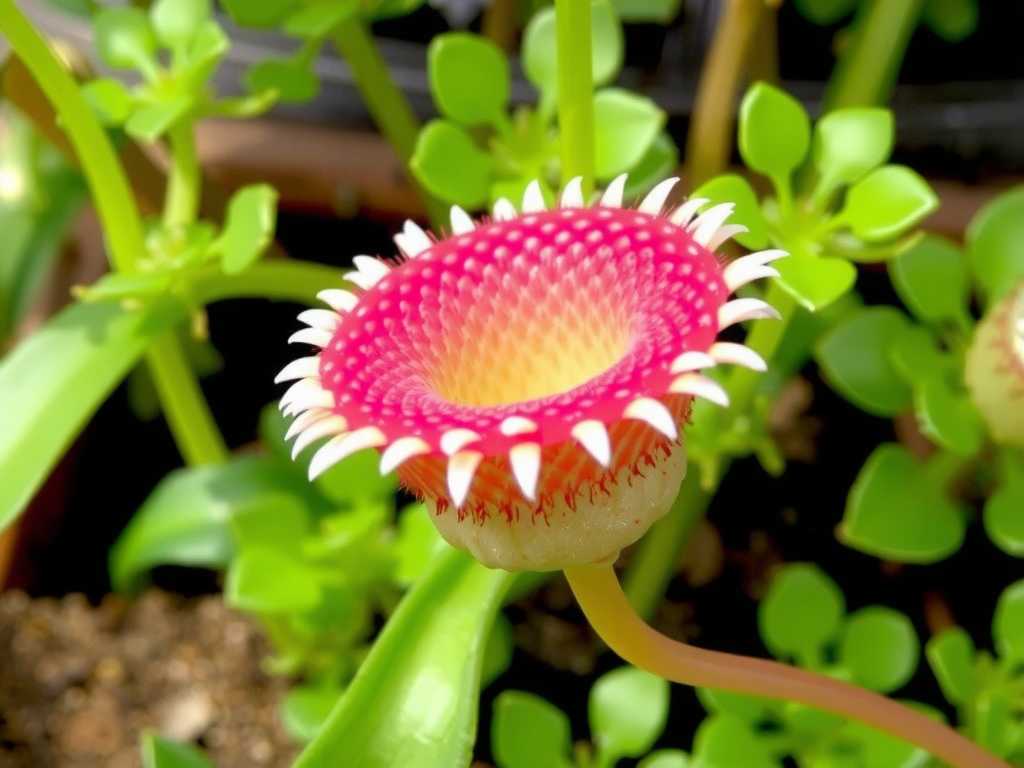
Light directly impacts sundew growth and trap coloration. Insufficient light causes weak, pale leaves—a frequent complaint among growers.
Outdoor vs. Indoor Light Needs
Temperate species (e.g., Drosera capensis) need 6-8 hours of direct sunlight daily. South-facing windowsills or greenhouse settings work best.
Tropical species thrive in bright, indirect light. East-facing windows or under grow lights (12-14 hours daily) prevent leaf burn.
Signs of Light Stress
Reddish pigmentation indicates adequate light, but crispy, browned leaves suggest sunburn. Gradually acclimate plants to intense light using shade cloths.
Watering Techniques: Mimicking Natural Habitats
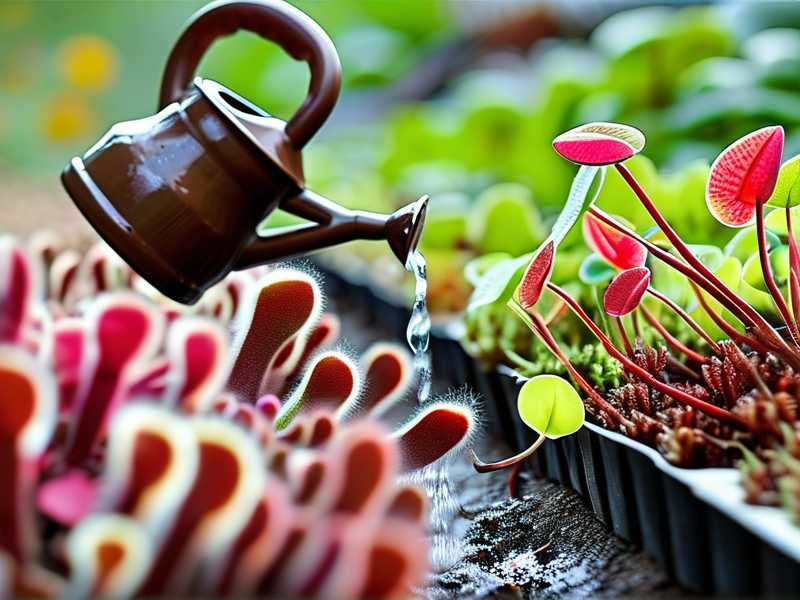
Improper watering is the top cause of sundew decline. These plants evolved in rainwater-fed bogs, making them sensitive to minerals and chlorine.
The Right Water Type
Always use distilled water, rainwater, or reverse osmosis water. Tap water contains dissolved solids that accumulate in soil, poisoning roots.
Watering Methods
Top-watering: Pour water into the saucer beneath the pot, allowing roots to absorb moisture upward. Avoid wetting crowns to prevent rot.
Humidity trays: Place pots on trays filled with pebbles and water. As water evaporates, it creates a humid microclimate sundews love.
Seasonal Adjustments
Reduce watering in winter during dormancy (for temperate species), keeping soil just damp. Tropical sundews prefer consistently moist conditions year-round.
Soil Composition: Replicating Bog Environments
Sundew roots require airy, acidic substrates. Standard potting soil retains too much moisture and nutrients.
DIY Carnivorous Plant Mix
Combine 70% sphagnum peat moss (avoid horticultural peat, which may contain fertilizers) with 30% perlite or silica sand. This mix ensures acidity (pH 4.5-5.5) and prevents compaction.
Commercial Options
Brands like Sun Gro Horticulture offer pre-mixed carnivorous plant soils. Verify they lack slow-release fertilizers or wetting agents.
Repotting Guidelines
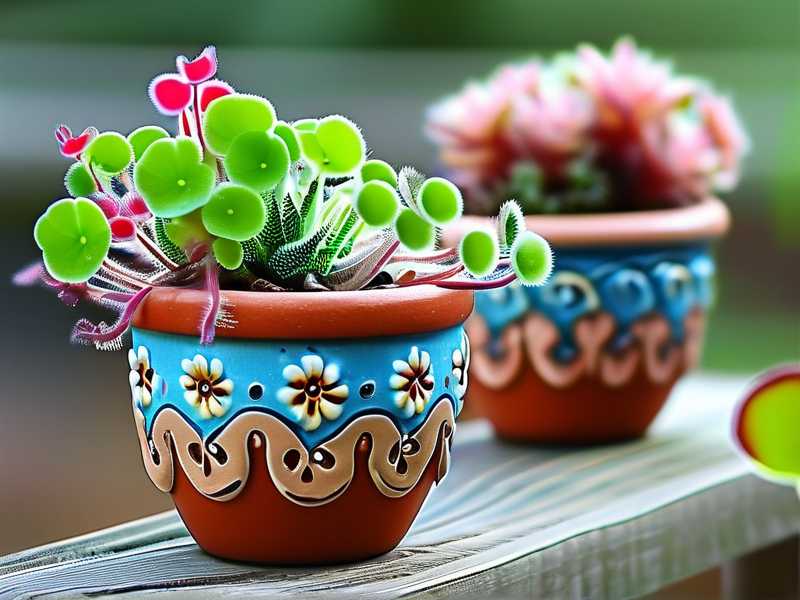
Repot every 1-2 years in spring. Trim dead roots and replace soil to prevent salt buildup. Terracotta pots are ideal for their porous nature, which stabilizes moisture.

Feeding Your Sundew: To Supplement or Not?
Outdoor sundews catch insects naturally, but indoor plants may need occasional feeding. However, overfeeding stresses plants.
When to Feed
Outdoor plants: Rarely need intervention unless kept in enclosed spaces.
Indoor plants: Offer 1-2 small insects (e.g., fruit flies) monthly during growing seasons.
Best Practices
Use dried or live insects—never cooked meat or human food.
Place prey on outer tentacles to avoid trapping energy waste.
Remove uneaten food after 24 hours to prevent mold.
Common Mistakes
Feeding dormant plants or using excessive force to attach insects can damage delicate leaves. Let nature take its course when possible.
Troubleshooting Common Issues
Even experienced growers face challenges. Here’s how to address symptoms:
Sticky Leaves Without Traps
High humidity or poor air circulation causes false dew. Improve ventilation with a small fan.
Elongated Growth
Leggy leaves signal insufficient light. Move to a brighter location or supplement with LED grow lights.
Leaf Spot or Mold
Isolate affected plants and remove damaged tissue. Treat with a diluted hydrogen peroxide solution (1 part 3% H₂O₂ to 10 parts water).
Expert Tips for Long-Term Success
Dormancy care: Temperate sundews require 3-4 months of cool (40-50°F), low-light dormancy in winter.
Pest prevention: Fungus gnats thrive in moist soil. Use yellow sticky traps or apply Bacillus thuringiensis israelensis (BTI) dunks.
Propagation: Most sundews self-propagate via seeds or leaf cuttings. Collect seeds from spent flower spikes or cut leaves into sections.
Frequently Asked Questions
Q1: Can I keep sundews in a terrarium?
Yes, but ensure high airflow to prevent mold. Use open containers or add ventilation holes.
Q2: Why are my sundew’s tentacles not moving?
Tentacle movement requires live prey stimulation. Dead insects or lack of triggers won’t activate trapping mechanisms.
Q3: How do I revive a dying sundew?
Trim black roots, repot in fresh acidic soil, and place in bright, humid conditions. Recovery may take several weeks.
By aligning care with their natural bog habitats—using pure water, acidic soil, and ample light—you’ll master sundew cultivation. Observe your plant’s responses, adjust methods seasonally, and enjoy the unique beauty of these carnivorous wonders.