bluename
 sundew care: The Ultimate Guide to Growing Healthy Carnivorous Plants for Beginners
If you've ever dreamed of growing a plant that's as fascinating as it is low-maintenance, sundews (Drosera) are the perfect choice. Yet many beginners struggle with keeping these carnivorous wonders alive, often due to misinformation about their unique needs. This comprehensive sundew care guide will demystify everything from soil requirements to feeding habits, ensuring your tiny bug-eating plants thrive. Whether you're a first-time plant parent or looking to expand your carnivorous collection, mastering sundew care starts with understanding their natural habitat and replicating those conditions at home.
Understanding Sundews: What Makes These Carnivorous Plants Unique?
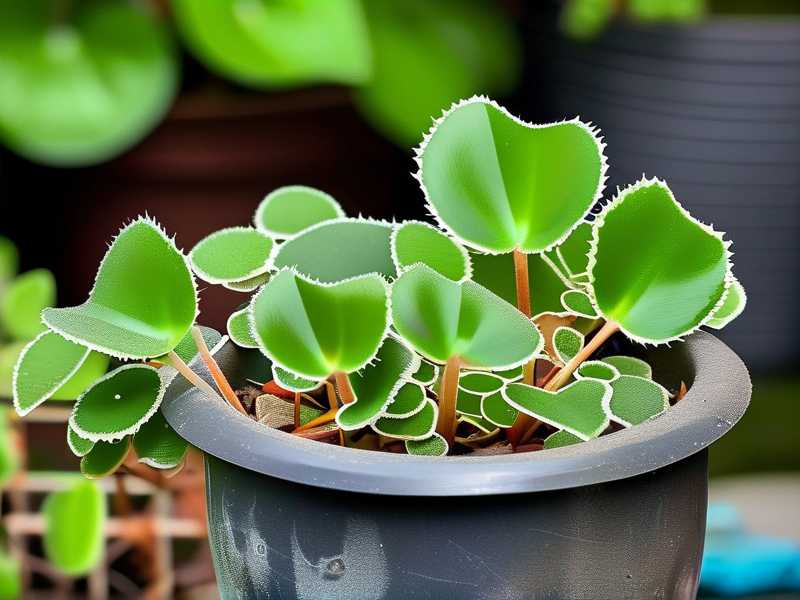
Sundews belong to the Droseraceae family, with over 200 species spanning every continent except Antarctica. What sets them apart is their sticky, glandular tentacles that cover their leaves—these glistening structures trap and digest insects, supplementing the nutrients they lack in their native poor soils. Unlike other carnivorous plants like Venus flytraps, sundews are relatively forgiving, making them ideal for beginners interested in carnivorous plant care.
According to the International Carnivorous Plant Society (ICPS), sundews adapt to a wide range of environments, from boggy wetlands to rocky slopes. This versatility means there's a sundew species suitable for almost any indoor growing setup, as long as you meet their core needs: bright light, moist soil, and pure water.
Feature | Sundews (Drosera) | Venus Flytrap | Pitcher Plant |
|---|---|---|---|
Species Count | 200+ | 1~15 | 0 |
Difficulty | ⭐ Easy | ⭐⭐⭐ Moderate | ⭐⭐ Moderate |
Trap Type | Sticky tentacles | Snap trap | Pitfall trap |
Feeding Needed? | Optional | Helpful | Helpful |
Beginner Friendly | ✅ Yes | ⚠️ Caution | ⚠️ Caution |
Essential Sundew Care Tips for Beginners
Light Requirements: How Much Sun Do Sundews Need?
Sundews thrive in bright, indirect light—this is one of the most critical aspects of successful sundew care. In their natural habitats, most species receive 6-8 hours of sunlight daily, so replicating this indoors is key. Place your sundew near a south or east-facing window where it can get plenty of filtered light. If natural light is limited, use a full-spectrum LED grow light positioned 6-12 inches above the plant, running for 10-12 hours a day.
Avoid direct midday sun, especially during summer, as it can scorch the delicate leaves. Signs of insufficient light include leggy growth, faded tentacles, and reduced stickiness. On the other hand, too much light may cause the leaves to turn red or brown—adjust the plant's position gradually if you notice these signs.
Light Condition | Hours Needed | Indoor Placement | Grow Light Distance |
|---|---|---|---|
☀️ Bright Indirect | 6–8 hrs/day | South/East window | 6–12 inches |
🌤️ Moderate | 4–6 hrs/day | West window | 12–18 inches |
🌑 Low Light | 10–12 hrs/day | North window (supplement) | 6–8 inches |
⚠️ Warning Signs at a Glance
Symptom | Likely Cause | Action |
|---|---|---|
Leggy, stretched growth | Not enough light | Move closer to window / add grow light |
Faded, pale tentacles | Insufficient light | Increase light duration by 2–3 hrs |
Red/brown leaf tips | Too much direct sun | Move to indirect light, adjust gradually |
Soil and Potting: Creating the Perfect Growing Medium
Sundews are adapted to nutrient-poor, acidic soils, so standard potting mix will quickly kill them. The ideal soil for sundew care is a well-draining mix that retains moisture without becoming waterlogged. A popular combination is 50% sphagnum moss (long-fibered is best) and 50% perlite or silica sand. This mix mimics the boggy conditions where sundews naturally grow, providing the acidity and drainage they need.
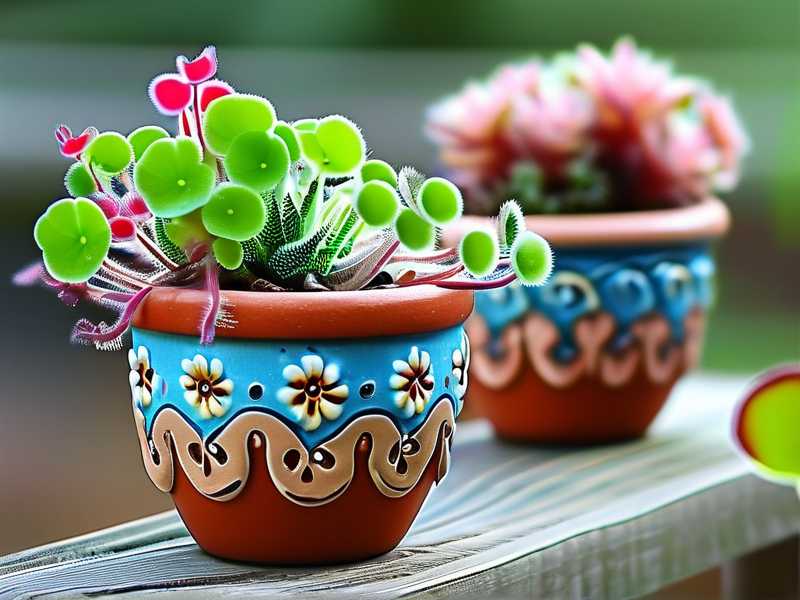
When potting, choose a container with drainage holes to prevent root rot. Terra cotta pots are a good option because they allow excess moisture to evaporate, but plastic pots work too—just be extra careful not to overwater. Repot your sundew every 1-2 years, or when you notice the soil breaking down or the plant outgrowing its pot.
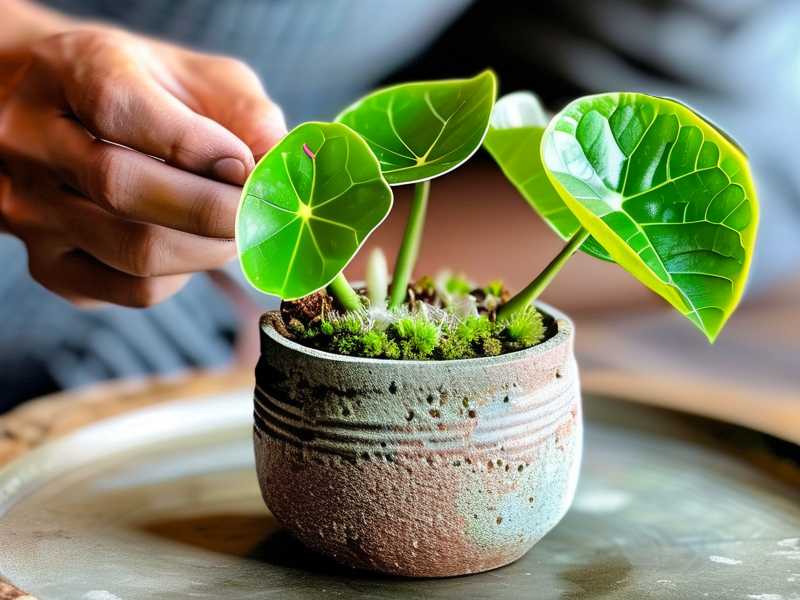
Detailed Repotting Step-by-Step (Beginner-Friendly): First, prepare fresh soil mix and a clean pot of the same or slightly larger size. Gently squeeze the sides of the original pot to loosen the root ball, then slide the plant out slowly—never yank the leaves or stems, as sundew roots and foliage are extremely fragile. Brush off loose old soil from the roots, trim any black, mushy rotten roots with sterile small scissors, and leave healthy white firm roots intact. Add a 1-inch layer of fresh soil to the new pot, place the plant in the center, and fill gaps with soil, lightly patting down to eliminate air pockets (do not compact tightly). After repotting, place the pot in shallow distilled water for bottom watering, and keep it in bright indirect light for 1–2 weeks to acclimate, avoiding feeding during the recovery period.
Component | Ratio | Why It Matters |
|---|---|---|
Long-fibered sphagnum moss | 50% | Retains moisture, provides acidity (pH 4–5.5) |
Perlite or silica sand | 50% | Ensures drainage, prevents waterlogging |
Standard potting mix | 0% | Contains nutrients & minerals that kill sundews |
Garden soil | 0% | Too dense, wrong pH, contains pathogens |
Pot Type | Drainage | Moisture Evaporation | Best For |
|---|---|---|---|
🏺 Terra cotta | ✅ Excellent | ✅ High (dries faster) | Beginners, warm climates |
🫙 Plastic | ✅ Good | ❌ Low (stays wet longer) | Humid climates, experienced growers |
⚠️ Ceramic (no hole) | ❌ None | ❌ None | Do not use |
Watering Practices: The Do's and Don'ts for Sundew Health
Water is another make-or-break factor in sundew care. These plants require consistently moist soil, but they're extremely sensitive to minerals and chemicals found in tap water. Use only distilled water, rainwater, or reverse-osmosis water—tap water often contains chlorine, fluoride, and hard minerals that build up in the soil and damage the roots.
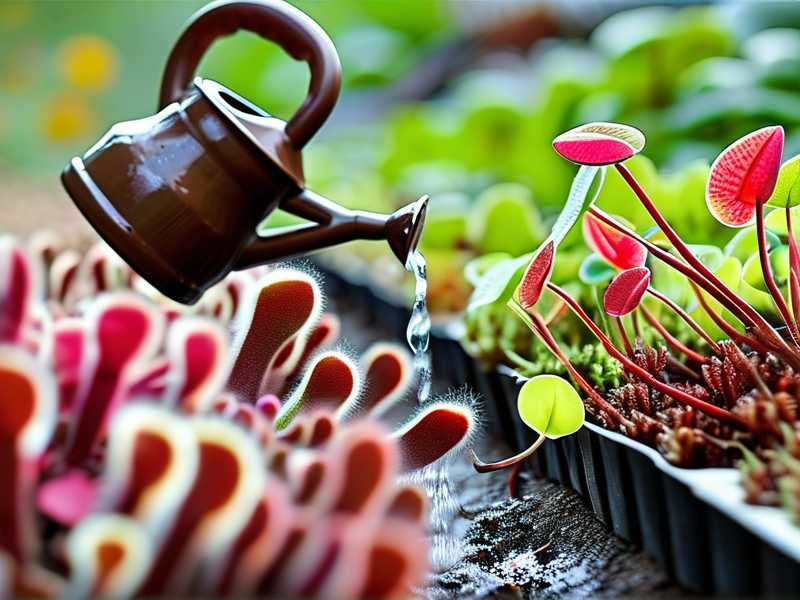
The best way to water sundews is from the bottom. Place the pot in a tray or saucer filled with 1-2 inches of water, and allow the soil to absorb moisture through the drainage holes. Keep the tray filled at all times, but never let the pot sit in standing water deeper than the bottom third of the container. This method ensures the roots stay moist without becoming waterlogged.
Avoid watering from the top, as this can wash away the sticky mucilage on the tentacles, reducing the plant's ability to catch prey. Additionally, never let the soil dry out completely—sundews wilt quickly when deprived of moisture, and prolonged drought can be fatal.
Method | ✅ Recommended? | Why |
|---|---|---|
🫗 Bottom watering (tray method) | ✅ YES — Best method | Keeps mucilage intact, even moisture |
🚿 Top watering (gentle) | ⚠️ Acceptable only if unavoidable | Risk of washing away sticky tentacles |
💦 Misting / spraying | ❌ NO | Dilutes mucilage, promotes fungal growth |
🚰 Tap water | ❌ NO | Contains chlorine, fluoride, minerals |
🌧️ Distilled / RO / Rainwater | ✅ YES — Only use these | Pure, mineral-free |
Water Level Guide (Bottom Watering): Correct water level maintains 1–2 inches of pure water in the tray, submerging only the bottom 1/3 of the pot. This lets capillary action moisten the entire soil profile without drowning fine feeder roots. Never refill the tray with tap water; top up only with purified water every 2–3 days to compensate for evaporation. Every 2 weeks, empty the tray completely, wipe away mineral residue or algae buildup, and refill with fresh water to prevent stagnation and bacterial growth. In hot, dry summer weather, check the tray daily; in cool winter conditions, top up every 3–4 days to avoid over-saturation.
Feeding Your Sundew: Do They Need Insects to Survive?
One of the biggest myths about sundew care is that they require constant feeding to survive. While sundews are carnivorous, they can survive without insects if they receive adequate light. The insects they catch provide extra nutrients (like nitrogen and phosphorus) that help them grow faster and produce more flowers, but they're not essential for basic survival.
If you want to feed your sundew, offer small, soft-bodied insects like fruit flies, gnats, or pinhead crickets. Avoid large insects, as they can damage the leaves, and never feed them meat, cheese, or other human foods—these will rot and cause fungal infections. Feed mature plants once every 1-2 weeks during the growing season; young plants can be fed less frequently, about once a month.
Insects caught naturally by the plant are always the best option, so if you keep your sundew near a window, it will likely attract enough prey on its own. If you're growing it in a closed terrarium, you may need to supplement with occasional feedings.
Step-by-Step Manual Feeding Operation: Use clean tweezers to pick up tiny live or frozen-thawed fruit flies, place them gently on 1–2 healthy, fully developed leaves per feeding session. Do not overload a single leaf with multiple insects, as excess organic matter cannot digest fully and will rot. After feeding, leave the plant in calm, well-lit conditions for 24 hours to let the tentacles curl and secrete digestive enzymes. Wipe away any undigested insect residue after 3 days to prevent mold. Always skip feeding for 2 weeks after repotting, during temperature extremes, or when the plant shows signs of stress.
Insect Type | ✅ Safe? | Size | Frequency | Notes |
|---|---|---|---|---|
🪰 Fruit flies | ✅ Yes | Tiny | Every 1–2 weeks | Easiest to culture at home |
🦟 Fungus gnats | ✅ Yes | Tiny | Every 1–2 weeks | Common near windows |
🦗 Pinhead crickets | ✅ Yes | Small | Every 2–4 weeks | Use "pinhead" size only |
🐜 Ants (small) | ✅ Yes | Tiny | Occasional | Avoid fire ants |
🪲 Large beetles | ❌ No | Large | Never | Can damage leaves |
🥩 Meat / cheese | ❌ NO | — | Never | Causes rot & fungal infection |
Plant Age | Feeding Frequency | Notes |
|---|---|---|
🌱 Seedling (0–6 months) | Once/month or not at all | Focus on light & water |
🌿 Young plant (6–12 months) | Every 2–4 weeks | Optional if well-lit |
🌳 Mature plant (1+ years) | Every 2–2 weeks (growing season) | Boosts growth & flowering |
Temperature and Humidity: Replicating Natural Conditions
Most sundew species prefer moderate temperatures, making them easy to grow indoors. The ideal temperature range for sundew care is 60-80°F (15-27°C) during the day and 50-65°F (10-18°C) at night. Avoid extreme temperatures—temperatures above 90°F (32°C) can stress the plant, while frost will kill most species.
Humidity is less critical for sundews than for some other carnivorous plants, but they do best in humidity levels between 40-70%. If your home is dry, you can increase humidity by placing the pot on a tray filled with pebbles and water (make sure the pot doesn't sit in the water), grouping plants together, or using a room humidifier. Avoid misting the leaves, as this can dilute the sticky mucilage and promote fungal growth.
Seasonal Dormancy & Daily Routine Operation: Temperate sundew species require a mild winter dormancy period from late fall to early spring. During dormancy, gradually reduce watering frequency slightly, lower indoor temperature to 50–55°F (10–13°C), and maintain 8–10 hours of soft light daily. Do not feed dormant plants, and avoid repotting during this period. For daily maintenance, develop a 2-minute inspection routine: check soil moisture, tray water level, leaf stickiness, and leaf discoloration every morning. This quick daily check lets you fix small issues like dry soil or low humidity before they escalate into fatal plant stress.
Condition | ✅ Ideal | ⚠️ Tolerable | ❌ Avoid |
|---|---|---|---|
Day Temperature | 60–80°F (15–27°C) | 50–90°F (10–32°C) | Below 32°F / Above 90°F |
Night Temperature | 50–65°F (10–18°C) | 45–70°F (7–21°C) | Frost / Below 40°F |
Humidity | 40–70% | 30–80% | Below 30% / Above 80% |
Humidity Boost Method | ✅ Works? | Notes |
|---|---|---|
Pebble tray (pot NOT in water) | ✅ Yes | Best passive method |
Room humidifier | ✅ Yes | Maintain 40–70% |
Grouping plants together | ✅ Yes | Creates microclimate |
❌ Misting leaves | ❌ No | Dilutes mucilage, causes fungus |
Common Sundew Care Problems and How to Fix Them
Yellowing Leaves: Causes and Solutions
Yellowing leaves are a common issue in sundew care, and they can indicate several problems. The most likely cause is overwatering or poor drainage—if the soil is waterlogged, the roots will rot, leading to yellow, wilted leaves. To fix this, reduce watering, ensure the pot has drainage holes, and repot the plant in fresh, well-draining soil if necessary.
Yellowing leaves can also be a sign of nutrient deficiency, but this is rare if the plant is catching insects. If you suspect this, feed the plant a small insect or use a diluted carnivorous plant fertilizer (follow the instructions carefully, as too much fertilizer can burn the roots). Finally, yellowing leaves may be a natural part of the plant's growth cycle—old leaves die off as new ones grow, so remove any completely yellow leaves to keep the plant looking tidy.
Symptom | Most Likely Cause | Fix |
|---|---|---|
Yellow + wilted leaves | Overwatering / poor drainage | Reduce water, check drainage holes, repot if needed |
Yellow + dry soil | Underwatering / drought stress | Resume bottom watering immediately |
Yellow (old leaves only) | Natural aging | Remove old leaves, normal process |
Yellow + stunted growth | Nutrient deficiency | Feed small insect or use diluted CP fertilizer |
Lack of Stickiness: Why Your Sundew Isn't Trapping Insects
If your sundew's tentacles aren't sticky, it's a sign that something is wrong with its care. The most common cause is insufficient light—sundews need bright light to produce the sticky mucilage that traps insects. Move the plant to a brighter location or increase the duration of grow light use.
Other causes of reduced stickiness include low humidity, dry soil, or exposure to chemicals (like tap water or fertilizer). Ensure you're using pure water, keeping the soil moist, and maintaining adequate humidity. If you've recently repotted the plant, it may take a few weeks for it to recover and start producing mucilage again.
Possible Cause | 🔍 How to Check | 🔧 Fix |
|---|---|---|
💡 Insufficient light | Leggy growth, pale tentacles | Move to brighter spot / add grow light (10–12 hrs) |
💧 Dry soil | Soil feels dry to touch | Resume bottom watering, never let soil fully dry |
🧪 Chemical exposure | Using tap water? Recently fertilized? | Switch to distilled/RO water, flush soil |
🌡️ Low humidity | Below 40%? | Add pebble tray or humidifier |
🪴 Post-repot stress | Recently repotted? | Wait 2–4 weeks, keep conditions stable |
Pests and Diseases: Protecting Your Sundew
Sundews are relatively resistant to pests, but they can occasionally be attacked by aphids, mealybugs, or spider mites. These pests feed on the plant's sap, causing yellowing leaves and reduced growth. To treat infestations, gently wipe the leaves with a cotton swab dipped in rubbing alcohol, or use an insecticidal soap designed for carnivorous plants (avoid harsh pesticides, as they can kill the plant).
Fungal diseases, like powdery mildew or root rot, are usually caused by overwatering, poor drainage, or high humidity combined with poor air circulation. To prevent fungal issues, ensure the soil is well-draining, avoid overwatering, and provide good air flow around the plant. If you notice signs of fungus (white powdery spots or black, mushy roots), remove the affected parts and treat the plant with a fungicide safe for carnivorous plants.
Problem | 🔬 Signs | 🔧 Treatment | 🛡️ Prevention |
|---|---|---|---|
🦟 Aphids | Tiny green/black clusters on leaves | Wipe with rubbing alcohol + cotton swab | Inspect new plants before adding |
🕷️ Spider mites | Fine webbing, speckled leaves | Insecticidal soap (CP-safe) | Maintain 40–70% humidity |
🐛 Mealybugs | White cottony masses | Dab with rubbing alcohol | Quarantine new plants |
⚪ Powdery mildew | White powder on leaves | CP-safe fungicide | Good air circulation, avoid misting |
🟤 Root rot | Black mushy roots, yellow leaves | Trim roots, repot in fresh soil | Bottom watering only, never waterlog |
Frequently Asked Questions About Sundew Care
Can sundews be grown in a terrarium?
Yes, sundews can thrive in a terrarium as long as they have bright light, good air circulation, and well-draining soil. Choose an open or semi-open terrarium to prevent excessive humidity and fungal growth. Ensure the terrarium is placed near a window or under a grow light, and avoid overcrowding the plant with other species that may compete for light or nutrients.
Terrarium Type | ✅ Recommended? | Why |
|---|---|---|
🟢 Open / semi-open | ✅ Yes | Good airflow, prevents fungus |
🟡 Closed (with vents) | ⚠️ Caution | Monitor humidity closely |
🔴 Fully sealed | ❌ No | Excess humidity → fungal death |
How long do sundews live?
With proper sundew care, these plants can live for several years—some species even live for a decade or more. Annual sundew species (like Drosera capensis 'Alba') complete their life cycle in one year, but most common indoor species are perennial. To maximize your sundew's lifespan, provide consistent light, water, and soil conditions, and repot it regularly.
Species Type | Example | Lifespan | Notes |
|---|---|---|---|
🌿 Perennial (most common) | D. capensis, D. spatulata | 5–10+ years | Keep indefinitely with good care |
🌸 Annual | D. capensis 'Alba' (some strains) | ~1 year | Completes lifecycle, produces seeds |
🔄 Biennial | Some temperate species | 2 years | Needs winter dormancy |
Do sundews flower?
Yes, most sundew species produce flowers in spring or summer. The flowers are small, usually white or pink, and grow on tall stalks above the leaves. While the flowers are attractive, they can be energy-intensive for the plant. If you want your sundew to focus on growth rather than flowering, you can cut off the flower stalks when they appear. If you let the flowers bloom, they will produce seeds that you can collect and grow into new plants.
Option | ✅ Pros | ❌ Cons |
|---|---|---|
🌸 Let flowers bloom | Beautiful flowers, collect seeds for new plants | Uses plant energy, may slow growth |
✂️ Cut flower stalks | Plant focuses energy on leaves & growth | No seeds, no flowers |
📋 Quick Reference: Sundew Care Cheat Sheet
Factor | ✅ Do | ❌ Don't |
|---|---|---|
Light | Bright indirect, 6–8 hrs/day | Direct midday sun |
Soil | 50% sphagnum + 50% perlite | Standard potting mix |
Water | Bottom watering, distilled/RO only | Top watering, tap water |
Temperature | 60–80°F day / 50–65°F night | Above 90°F / Frost |
Humidity | 40–70% | Below 30% / misting leaves |
Feeding | Optional, fruit flies monthly | Meat, cheese, large insects |
Pot | Terra cotta or plastic with drainage | No drainage holes |
Repot | Every 1–2 years | Let soil break down |
Growing sundews is a rewarding experience that allows you to observe the fascinating world of carnivorous plants up close. By following the essential care tips outlined in this guide—providing bright light, well-draining acidic soil, pure water, and occasional feedings—you can keep your sundew healthy and thriving for years. Remember to pay attention to your plant's signals, like yellowing leaves or reduced stickiness, and adjust your care routine as needed. With a little patience and the right conditions, even beginners can master sundew care and enjoy these unique, bug-eating plants in their homes.