bluename
 How to Fix Sundew Leaves Turning Brown All Over: A Complete Rescue Guide
Seeing your sundew’s once-glistening, sticky leaves turn a worrying shade of brown is a heart-sinking moment for any carnivorous plant enthusiast. This widespread browning is a clear distress signal, but don’t panic—it’s often reversible. This comprehensive guide will walk you through the precise steps to diagnose the root cause and implement an effective recovery plan for your sundew plant.
Understanding Why Sundew Leaves Turn Brown
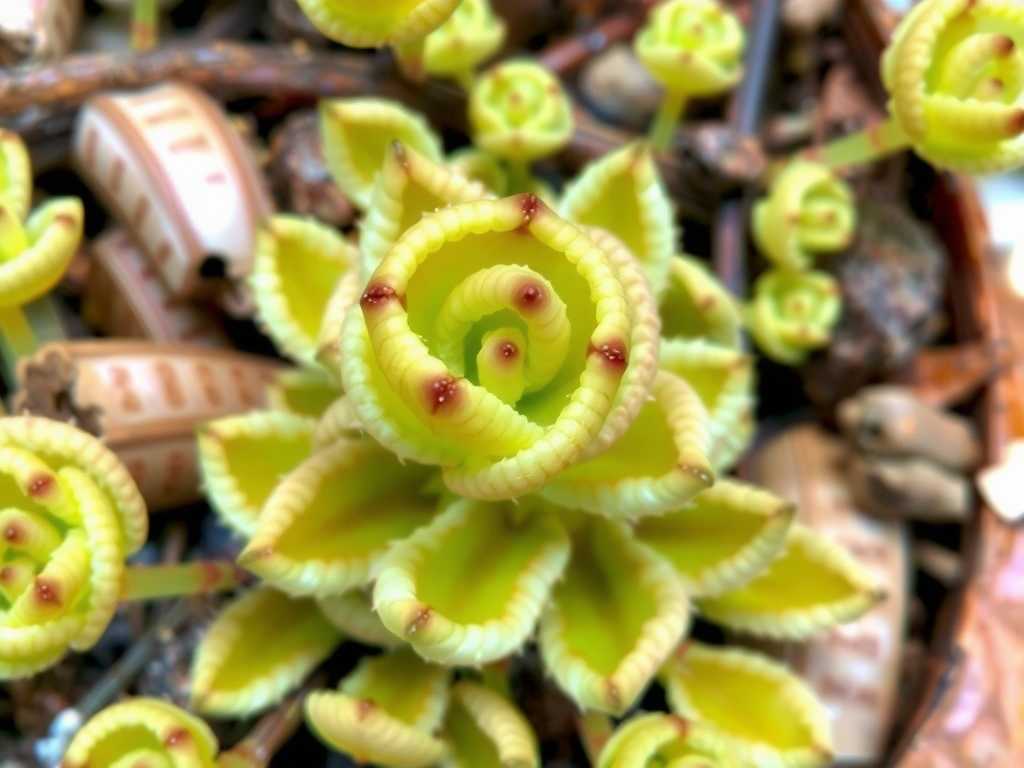
Before you can fix the problem, you need to understand what’s causing it. Sundews (Drosera) are adapted to nutrient-poor, soggy, and sunny environments. When their leaves turn brown all over, it’s almost always a sign that one or more of their core needs are not being met. The browning can stem from environmental stress, improper care, or a combination of factors.
The Primary Culprits of Widespread Browning
1. Water Quality: The Silent Killer This is the most common cause of sundew leaves turning brown. Tap water contains minerals (like chlorine, fluoride, and salts) that quickly build up in the plant’s soil and burn its sensitive roots. This condition, known as mineral burn, manifests as browning leaves starting from the tips and spreading across the entire leaf.
- The Fix: Immediately switch to water with a low mineral content. Use rainwater, distilled water, or reverse osmosis (RO) water exclusively. Water from below by keeping the pot in a saucer with 0.5 to 1 inch of water at all times (the tray method). Flush the pot thoroughly with pure water to remove any accumulated salts.
2. Incorrect Lighting: Too Much or Too Little Sundews crave bright light. Insufficient light causes weak, etiolated growth and reduces dew production, making the plant generally stressed and prone to decline, which can include browning. Conversely, a sudden move to intense, direct outdoor sun can scorch the leaves, causing rapid, crispy browning.
- The Fix: Provide bright, indirect light for at least 6-8 hours daily. A south or west-facing windowsill is ideal. For most indoor growers, a strong LED or fluorescent grow light placed 6-12 inches above the plant is the most reliable solution. Acclimate your plant slowly to stronger sunlight over 1-2 weeks to prevent sunburn.
3. Humidity and Dew Loss While many sundews are adaptable, extremely low humidity can cause the precious mucilage (dew) on their tentacles to dry up. The leaves may then appear dry and start to brown, especially at the tips. The plant isn’t necessarily dying, but it’s stressed and unable to catch food.
- The Fix: Increase local humidity. Group plants together, use a humidity tray (a tray filled with pebbles and water), or consider a small room humidifier. For delicate species, a cloche or terrarium can create a perfect microclimate. As noted by carnivorous plant expert Dr. Barry Rice in Growing Carnivorous Plants, “While humidity is less critical than pure water, maintaining it above 50% will ensure robust dew production and healthier leaves.”
4. Dormancy Needs (For Temperate Species) Species like Drosera rotundifolia or D. filiformis require a cold winter dormancy. If they are denied this period, they will exhaust themselves, leading to weak growth, lack of dew, and eventual browning and die-off.
- The Fix: If you have a temperate sundew, it needs a cold dormancy period of 3-4 months during winter. Reduce photoperiod, place it in an unheated garage or cold frame where temperatures stay between 32°F and 50°F (0°C-10°C), and keep the soil just damp, not soggy.
5. Soil Degradation and Fertilizer Burn Standard potting mixes are fatal. They contain fertilizers and minerals that will burn roots. Even a carnivorous plant mix can break down over time, becoming compacted and anaerobic, which suffocates roots.
- The Fix: Repot your sundew in a fresh, appropriate medium. Use a 1:1 mix of sphagnum peat moss and perlite or silica sand. Never use fertilized potting soil, compost, or garden soil. Avoid liquid fertilizers on the soil; sundews get nutrients from insects. If you must fertilize, use a highly diluted orchid or Maxsea spray on the leaves very sparingly.
Step-by-Step Rescue Plan for a Browning Sundew
- Diagnose: Check your water source first. Then assess light levels and humidity. Review if your species needs dormancy.
- Immediate Action: Switch to distilled/rainwater immediately. Adjust lighting if it’s clearly too dark or if you see scorch marks.
- Repot (if needed): If the soil looks old, algae-covered, or you’ve used tap water long-term, repot into fresh carnivorous plant soil. Gently rinse the roots with pure water during the process.
- Trim Dead Growth: Using sterilized scissors, carefully trim away completely brown, crispy leaves. This helps the plant focus energy on new growth and prevents mold.
- Optimize Environment: Place the plant in its ideal permanent spot with correct light and humidity. Be patient. Recovery can take several weeks.
Preventing Future Problems: Best Practices for Sundew Care
Consistency is key. Once you’ve corrected the issues, maintain these conditions:
- Water: Always use pure water. Keep the soil permanently wet via the tray method.
- Light: Provide consistent, bright light daily.
- Soil: Repot every 1-2 years to refresh the medium.
- Feeding: If indoors, feed a single leaf a small insect (e.g., a fruit fly) every few weeks. Do not overfeed. A healthy outdoor plant will catch its own food.
- Pots: Use plastic or glazed ceramic pots with drainage holes. Avoid terracotta, which leaches minerals.
My sundew has some brown leaves but is also growing a new flower stalk. What should I do? Prioritize the plant’s health over the flower. Flowering is energy-intensive. For a stressed plant, it’s often best to cut the flower stalk off as soon as it appears. This redirects all the plant’s energy into recovering and producing new, healthy leaves. You can allow flowering once the plant is fully vigorous again.
Can a sundew recover from completely brown leaves? It depends on the crown (the central growth point). If the crown is still green and firm, there is hope. Trim all dead leaves, correct the growing conditions, and wait. The plant may resprout from the crown. If the crown is mushy and brown, the plant has likely died from root rot, often a consequence of poor water or soil.
How long does it take for a sundew to recover after correcting the issues? Do not expect overnight changes. After addressing problems like water quality or light, you should see a halt in further browning within a week or two. New, healthy growth typically appears within 2 to 4 weeks. This new growth will have proper dew if conditions are right. Full recovery to a lush rosette can take several months. The key is to provide unwavering, correct care and give the plant time.