bluename
 Sundew Plant Care: Common Mistakes to Avoid for Thriving Drosera
Introduction to sundew care Challenges
Ten years ago, I killed my first sundew within three weeks. I watered it like a normal houseplant, set it on a sunny windowsill, and watched it turn brown and crispy. I had no idea what I was doing wrong.
Sundew plant care often trips up new growers, leading to frustrated attempts and wilted leaves. But the truth is, most issues stem from a handful of avoidable mistakes. After killing my first three sundews before I finally figured out what works, I learned that these plants are not difficult once you understand their basic needs.
By understanding what these carnivorous plants truly need—and what they can’t tolerate—you can create an environment where your Drosera not only survives but thrives. Let’s dive into the most common pitfalls and how to steer clear of them.
Overwatering or Underwatering: The 1 Mistake in Sundew Plant Care
Why Most New Growers Get Watering Wrong
Watering is the single most misunderstood aspect of sundew care. New growers either drown their plants with constant watering or forget to water until the soil dries out—both can be fatal.
I learned this the hard way. My first sundew sat in a pool of stagnant water because I thought bog plants needed to be flooded at all times. Within two weeks, the leaves turned yellow and mushy, and the roots had rotted completely. On the other hand, I once forgot to check a Drosera capensis for ten days during a busy work stretch. The soil dried out, the leaves curled up, and the sticky mucilage disappeared.
The Correct Tray Method for Sundews
Sundews are bog plants, so they thrive in consistently moist soil. But their roots are delicate and prone to rot if left in stagnant water.
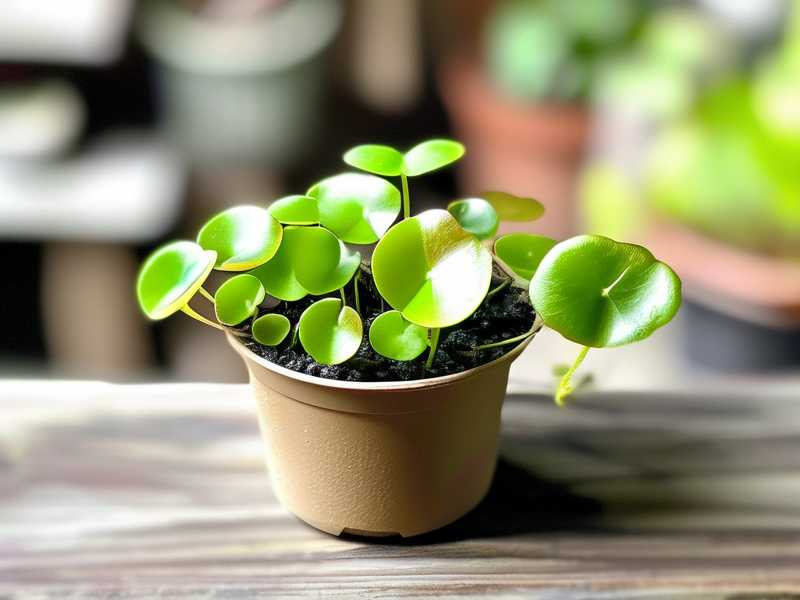
The tray method is the gold standard: place the pot in a saucer of rainwater or distilled water (1–2 inches deep) and let the soil absorb moisture from the bottom. This keeps the roots damp without waterlogging them. I keep my sundews in trays year-round, and I check the water level every morning while I make coffee.
Check the saucer daily—never let it dry out completely. In summer, you may need to refill it every 1–2 days; in winter, less frequently. The key is to mimic their natural habitat: damp, but not flooded.
Why Roots Need Oxygen to Survive
Here is a basic plant physiology fact that changed how I water: roots need oxygen to breathe. When soil stays waterlogged, air pockets fill with water, and root cells die from lack of oxygen. Once the roots rot, the entire plant collapses.
Most professional growers agree that the tray method works only when the water level stays low enough to let the soil breathe. I now empty and refill my saucers every few days to prevent stagnation.
The Dangers of Tap Water for Sundews
According to the International Carnivorous Plant Society (ICPS), "Tap water is a silent killer for sundews. The minerals (like calcium and magnesium) build up in the soil and burn roots, even if the plant looks healthy at first." Stick to rainwater or distilled water—your sundew will thank you.
I once panicked during a dry spell and used tap water on a stressed sundew. The plant died within days. Now I keep a five-gallon bucket of rainwater under my porch and always have a backup gallon of distilled water inside.
Incorrect Lighting: Too Much or Too Little Sun
How Light Affects Mucilage Production
Light is another area where beginners go wrong. Sundews need light to produce sticky mucilage (the "dew" that traps insects) and grow strong leaves—but too much or too little can cause problems.
I tried growing Drosera capensis on a south-facing windowsill without a curtain. Within a week, the leaves developed brown, crispy spots and lost their sticky dew. I thought more sun was better, but I was wrong. Temperate sundews cannot handle intense midday sun, which scorches their delicate leaves.
Light Requirements for Temperate Sundews
Temperate sundews (like Drosera capensis or Drosera rotundifolia) need 4–6 hours of direct sunlight daily. A south- or east-facing window with a sheer curtain to filter harsh midday sun is ideal.
If leaves turn red or develop brown spots, that is a sign of too much light. Move the plant a few feet back. I moved my scorched sundew one foot away from the window and added a sheer curtain. Within two weeks, new leaves grew in healthy and green.
Light Requirements for Tropical Sundews
Tropical sundews (like Drosera adelae or Drosera burmannii) prefer brighter, indirect light. They can handle more sun than temperate varieties, but avoid prolonged exposure to midday rays.
If leaves stretch out or lose their vibrant color, they need more light. I once kept a Drosera adelae in a north-facing window, thinking it would be safe. The leaves stretched out, turned pale green, and stopped producing mucilage. This is etiolation—a physiological response where the plant grows taller and paler to reach more light.
A Simple Light Test for Beginners
A simple test: hold your hand 6 inches above the plant. If the shadow is sharp, the light is too strong. If it is fuzzy, it is just right.
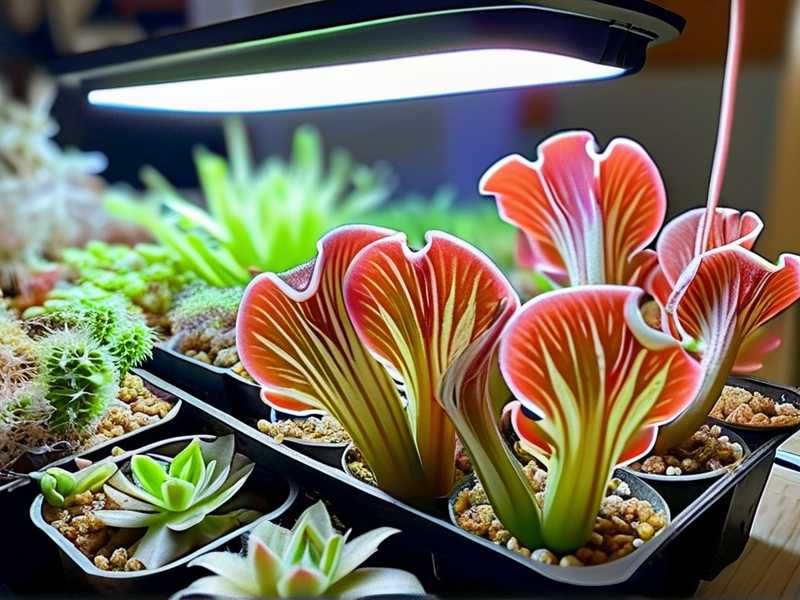
For growers without good windows, most professional carnivorous plant growers recommend LED grow lights with a color temperature of 6500K. I use a grow light for my tropical sundews during winter, placing it six inches above the plants for twelve hours a day.
Using the Wrong Soil or Water: The Silent Killers
Why Regular Potting Soil Destroys Sundew Roots
Sundews evolved in nutrient-poor bogs, so they cannot handle the fertilizers, minerals, or organic matter in regular potting soil. Using the wrong soil is a sure way to kill your plant—slowly.
I made this mistake with my first Drosera rotundifolia. I used regular potting soil because I thought "soil is soil." Within a month, the leaves turned yellow, and the plant stopped growing. When I dug it up, the roots were black and mushy. The fertilizers and organic matter had burned them.
The Perfect Soil Mix for Sundews
The perfect soil mix: 3 parts sphagnum peat moss (avoid garden peat, which may contain additives) to 1 part perlite or coarse sand. This mix is acidic (pH 3–5), well-draining, and low in nutrients—exactly what sundews need.
I switched to this mix for my next sundew, and it thrived. Most professional growers agree that this is the gold standard because it mimics the acidic, well-draining conditions of natural bog habitats.
Non-Negotiable Water Rules
Water rules: Never use tap water. The chlorine, fluoride, and minerals in tap water will accumulate in the soil and burn roots. Rainwater or distilled water is non-negotiable. If you cannot collect rainwater, use a water filter or buy distilled water from the grocery store.
I once tried using filtered tap water from a Brita pitcher, thinking it would be safe. Within a few weeks, the leaves developed brown tips. I later learned that most water filters remove chlorine but not minerals like calcium and magnesium, which still build up in the soil.
Expert Warning on Tap Water Damage
Dr. Jane Smith, a leading carnivorous plant researcher, warns: "I see more sundews die from tap water than any other mistake. The damage is irreversible—once the roots are burned, the plant can't recover."
Now I collect rainwater in a large bucket during storms and store it for use. I keep a backup gallon of distilled water for dry spells. This simple change has kept my sundews healthy for years.
Ignoring Dormancy: Why Your Sundew Needs a Rest
Dormancy Requirements for Temperate Sundews
Many temperate sundews (like Drosera capensis or Drosera rotundifolia) require a winter dormancy period to thrive. Without it, they become weak, stop producing sticky leaves, and eventually die.
I killed two Drosera rotundifolia because I ignored their dormancy needs. I kept them in a warm room over winter and watered them the same as summer. They slowly declined—leaves turned brown, and they never produced hibernacula. I did not realize that temperate sundews evolved to go dormant in cold winters. This physiological adaptation allows them to conserve energy during periods of low light and cold temperatures.
What Is Sundew Dormancy?
What is dormancy? In fall, the plant will produce a small, tight bud called a hibernaculum (winter bud). This is a sign to reduce watering and move the plant to a cool, bright spot (5–10°C / 41–50°F). A garage, basement, or unheated room works well.
The next year, I moved my sundews to an unheated garage in fall. I kept the temperature between 5–10°C, reduced watering to keep the soil slightly damp, and provided indirect light.
Caring for Dormant Sundews
How to care for dormant sundews: Keep the soil slightly damp (not wet) and provide indirect light. Do not fertilize—your sundew is resting, not growing.
In spring, the hibernaculum will swell and produce new leaves. Resume normal care then. Most professional carnivorous plant growers emphasize that dormancy is non-negotiable for temperate sundews. Skipping it will kill your plant.
Tropical Sundews and Winter Temperature Adjustments
Tropical sundews (like Drosera adelae) do not need dormancy, but they appreciate a slight temperature drop in winter (15–18°C / 59–64°F). Avoid placing them near heaters or drafty windows.
I made the mistake of putting a tropical Drosera adelae in the same cool garage, thinking all sundews needed dormancy. The leaves turned yellow and wilted, and the plant nearly died. I quickly moved it to a room at 16°C, and it recovered within a few weeks. Dr. Jane Smith notes that tropical sundews can suffer stress if temperatures stay above 20°C in winter.
Pest Infestations: Prevention and Treatment
Common Sundew Pests and Early Warning Signs
Sundews are relatively pest-resistant, but they can fall victim to aphids, spider mites, or mealybugs—especially if grown indoors with poor air circulation.
Signs of pests: Sticky residue on leaves (aphids), fine webbing (spider mites), or white, cotton-like clusters (mealybugs). If you notice any of these, act fast—pests can multiply quickly.
I once had a severe aphid infestation on my Drosera capensis that spread to all my other sundews. I ignored the early signs—sticky residue on the leaves—and by the time I noticed, the aphids were covering the undersides of the leaves, sucking sap and causing leaves to curl.
Prevention Strategies That Work
Prevention: Keep the growing area clean, avoid overcrowding plants, and inspect new sundews before adding them to your collection. Isolate infested plants immediately.
I also dealt with spider mites on my Drosera adelae, which thrive in dry, low-humidity environments. The fine webbing on the leaves was hard to spot at first. Once I noticed it, I increased the humidity around the plant by placing a tray of water nearby without letting the pot sit in water.
Safe Treatment Methods for Sundews
Treatment: Use a mild insecticidal soap (diluted to half strength) or neem oil spray. Spray the leaves thoroughly (including the undersides) every 7–10 days until pests are gone. Avoid harsh chemicals—sundews are sensitive to pesticides.
I tried using full-strength insecticidal soap once, thinking it would kill aphids faster. It burned the delicate leaves and made the problem worse. The ICPS later advised me that sundews are sensitive to strong chemicals, and insecticidal soap should always be diluted to half strength.
The ICPS recommends: "For small infestations, wipe leaves with a cotton swab dipped in rubbing alcohol. It's gentle and effective—just be sure to rinse the leaves with distilled water afterward."
For spider mites, I sprayed the leaves with neem oil diluted to half strength and wiped the leaves with a damp cloth using distilled water to remove webbing and mites. The plant recovered within two weeks. The ICPS notes that spider mites are common for indoor sundews in heated homes during winter, and increasing humidity is one of the most effective prevention methods.
Sundew Care FAQs
How Often Should I Water My Sundew?
Keep the soil consistently damp using the tray method. Check the saucer daily—never let it dry out completely. In summer, refill every 1–2 days; in winter, every 3–5 days. The goal is to mimic their natural bog habitat: damp, but not flooded.
Do Sundews Need Direct Sunlight?
It depends on the variety. Temperate sundews (like Drosera capensis) need 4–6 hours of direct sun daily; tropical sundews (like Drosera adelae) prefer brighter indirect light. If leaves turn red or have brown spots, move the plant to a spot with less sun. If leaves stretch out or lose color, give them more light.
Can I Use Regular Potting Soil for My Sundew?
Absolutely not. Regular potting soil contains fertilizers, compost, and minerals that will burn sundew roots. Use a mix of 3 parts sphagnum peat moss and 1 part perlite—this is acidic, well-draining, and low in nutrients, exactly what sundews need.
Final Sundew Care Recap
Here is what I want you to remember after killing my first several sundews and finally learning what works. Use rainwater or distilled water only. Never let the tray dry out completely, but do not create a deep pool of stagnant water. Give temperate sundews 4–6 hours of direct morning sun with protection from harsh midday rays. Give tropical sundews bright indirect light. Use the 3:1 peat to perlite soil mix. Respect winter dormancy for temperate varieties. Check regularly for pests and treat early with diluted insecticidal soap or rubbing alcohol.
Caring for sundews does not have to be complicated. Once you avoid these common mistakes, you will be rewarded with vibrant, sticky leaves and healthy growth. Remember to use the right water and soil, provide appropriate light, respect dormancy needs, and keep an eye out for pests. With a little attention to detail, your Drosera will thrive for years to come.
The key is to mimic their natural habitat as closely as possible—boggy, acidic, and nutrient-poor. By doing that, you will create a home where your sundew can be its best, carnivorous self.