bluename
 How to Care for Sundew in Tropical Climates: A Grower’s Survival Guide
If you’re a plant lover living in the tropics who’s ever brought home a sundew, you know the panic. You read they need constant moisture and high humidity, which sounds perfect for our climate, right? Yet, within weeks, your beautiful, dewy carnivore turns into a crispy, blackened mess. I’ve been there. The common advice is tailored for temperate growers, leaving us in steamy, year-round heat to figure it out alone. After killing my first Drosera capensis and nearly giving up, I embarked on a two-month mission to crack the code. This guide isn’t just theory; it’s my documented journey, including a crucial two-week observation period that changed everything, the mistakes I made, and the simple fixes that now keep my sundews thriving on my balcony in Singapore.
Understanding the Tropical Sundew’s Paradox
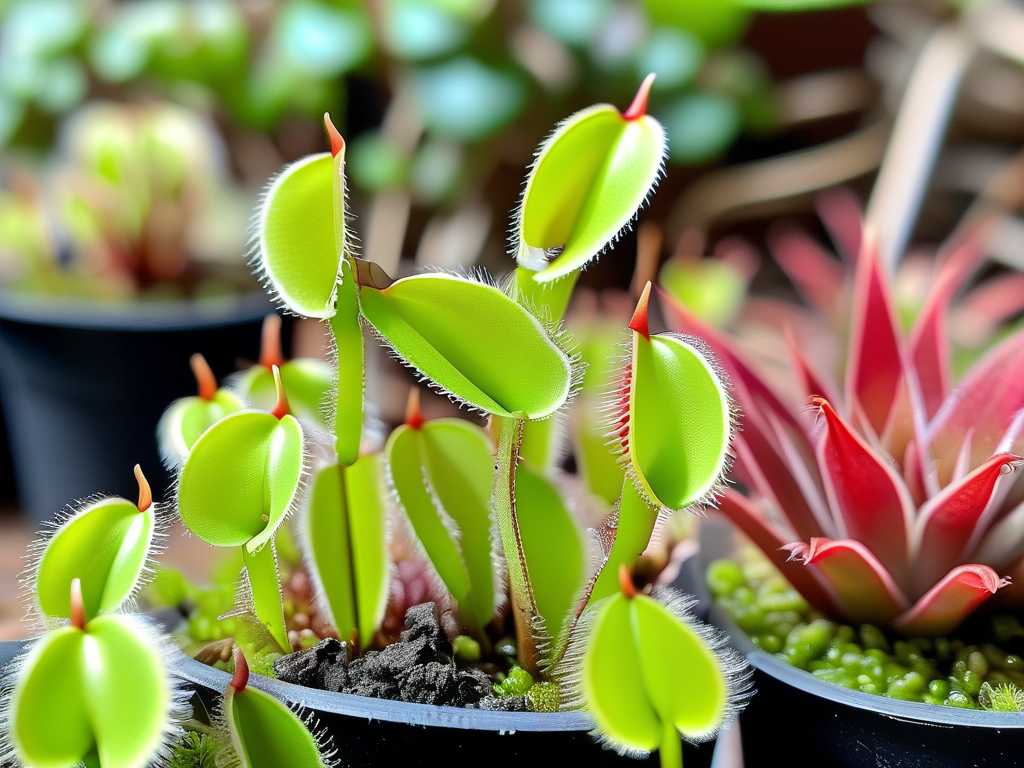
The core challenge of sundew care in tropical climates isn’t providing humidity—we have that in abundance. It’s managing the trio of relentless heat, intense rainfall, and lower light intensity if grown indoors. Sundews need light to produce their sticky, bug-catching glue. In our climate, the issue is often too much wet without enough bright.
I consulted guidelines from the International Carnivorous Plant Society (ICPS) and experts like Dr. Alastair Robinson, which emphasize that while many sundews are adaptable, tropical species like Drosera adelae, D. schizandra, or even the robust D. capensis have specific needs even within a humid environment. The goal is to replicate their natural, sunny, airy bogs, not a stagnant, soggy pot.
My Step-by-Step Setup for Success
Here’s the exact regimen I developed after my initial failures. I focused on two core long-tail keywords: sundew watering schedule for humid weather and preventing sundew rot in tropics.
Choosing the Right Sundew and Location
Start with a resilient species. I began with Drosera capensis, the "common cape sundew," known for being forgiving. My second attempt introduced Drosera spatulata, a fantastic tropical and subtropical species. Avoid temperate species like D. rotundifolia initially; our constant heat won’t provide their needed winter dormancy.
Location is everything. I tried a shaded indoor spot first. Mistake. The plant stretched out, lost its red color, and produced very little dew. I moved it to an east-facing balcony (semantic variant: optimal sundew placement in tropical homes). This provided 4-5 hours of gentle morning sun, avoiding the harsh, leaf-scorching afternoon rays. A south-facing window with a sheer curtain works well indoors.
The Non-Negotiable Potting Mix
Never, ever use potting soil, compost, or fertilizer. It will kill your sundew. Their roots are adapted to nutrient-poor conditions. My mix, following ICPS recommendations, is:
- 50% Sphagnum peat moss
- 50% Horticultural perlite I pre-rinse the peat moss with distilled water to lower the initial acidity slightly. The perlite is critical for aeration in humid potting media, preventing the soil from becoming a compacted, anaerobic brick—the main cause of root rot.
Watering: The Most Critical Adjustment
This was my biggest pitfall and the focus of my two-week observation experiment. Conventional wisdom says "always keep the tray filled with water." In my tropical climate, this led to a perpetually sopping wet medium, algae growth, and the onset of stem rot.
Here’s what I changed:
- Water Quality: I use only distilled water, rainwater, or reverse osmosis water. Tap water here, even if relatively soft, contains minerals that will slowly poison the plant.
- The Tray Method… with a Twist: I use the tray method, but I don’t keep it permanently full. I fill the tray about 1-2 cm deep. I let it dry out completely over 1-2 days before refilling. This creates a cycle of wet-to-damp, ensuring oxygen reaches the roots. During my two-week observation, I tracked the medium’s surface moisture. I found that even when the tray was dry, the lower half of the pot remained damp for another day—perfect.
- Top Watering Flush: Once a week, I top-water thoroughly with distilled water until it flows freely from the drainage holes. This flushes out any accumulated salts or impurities and re-saturates the entire medium evenly before returning to the tray cycle.
Feeding and Maintenance
Your sundew will catch some gnats and mosquitoes naturally. Don’t overfeed. In an observation period, I fed one single tentacle a tiny dried bloodworm (fish food) once every two weeks. The leaf digested it happily. Overfeeding can cause the leaf to die back prematurely. If grown indoors where fewer insects are present, a light feeding once a month is plenty.
Remove blackened leaves carefully with sterilized tweezers to prevent mold. Flower stalks can be prolific and energy-intensive. I let my D. capensis flower once for seed, but now I usually snip them off early to encourage more leaf and dew growth.
The Two-Week Observation Diary: What I Learned
This was the most enlightening part. I took daily photos and notes on two D. spatulata plants, one on my old "always-wet" schedule and one on my new "cycle" schedule.
- Days 1-3: Both plants looked identical—dewy and healthy.
- Days 4-7: The "always-wet" plant’s medium surface showed green algae spots. The "cycle" plant’s surface began to dry slightly, turning a lighter brown.
- Days 8-10: The "always-wet" plant’s oldest leaves started to blacken at the base. New leaves were slightly smaller. The "cycle" plant produced a new, fully dewy leaf.
- Days 11-14: The "always-wet" plant showed clear signs of stem rot starting. The "cycle" plant continued growing steadily, with robust dew on all mature leaves.
The conclusion was undeniable: constant saturation in a hot, humid environment was a death sentence. The wet-dry cycle provided the moisture sundews need while giving roots the oxygen they desperately require to avoid rot—the key to preventing sundew rot in tropics.
Troubleshooting Common Tropical Sundew Problems
- Problem: Lack of Dew. This is almost always a light issue. Increase light exposure gradually. Morning sun is best. If indoors, consider a weak dedicated LED grow light placed 15-20 cm above the plant for 12-14 hours a day.
- Problem: Fungus Gnats or Mold on Soil. A sign of overly moist, organic-rich media. Let the tray dry out longer. I sprinkle a thin layer of pure rinsed perlite on the soil surface as a physical barrier. It helps keep the base of the plant drier and reflects light.
- Problem: Leaves Browning/Crisping. If the plant is otherwise healthy, it could be natural leaf die-off. If new growth is also crisping, it might be sunburn (move to slightly less intense light) or, ironically, underwatering (check that your medium is actually absorbing water and not becoming hydrophobic).
- Problem: Leggy, Pale Growth. Etiolation. The plant is desperately reaching for light. Relocate it to a much brighter spot immediately.
Can I grow sundews outdoors in a tropical rainy season? Yes, but with protection. My plants live on a balcony. During heavy monsoon rains, I move them to a spot where they receive bright light but are shielded from the direct, pounding rain, which can damage their leaves and flood the pot beyond the safe "cycle." A simple clear plastic roof or awning works.
What is the best sundew species for a complete beginner in the tropics? Start with Drosera spatulata (the spoon-leaved sundew) or Drosera capensis. They are fast-growing, forgiving of minor mistakes, and propagate easily from leaf cuttings or seed, giving you quick feedback and success.
Do sundews in the tropics need a dormancy period? Most commonly available tropical and subtropical sundews (D. capensis, D. spatulata, D. adelae) do not require a winter dormancy. They will grow year-round in our consistent warmth. However, their growth may slow slightly during slightly cooler or less bright periods, which is normal. Do not force them into dormancy by drying them out.
Growing sundews in the tropics is deeply rewarding once you understand their unique needs within our specific climate. It boils down to mastering the balance between humidity and air, moisture and light. By providing bright, indirect sunlight, a sterile, airy soil mix, and—most importantly—a cyclical watering routine that prevents constant saturation, you can turn your home into a thriving dewy paradise. Watch your plants closely, especially during the first few weeks, and let them guide you. Their response to your care, visible in the glistening droplets on each tentacle, is the ultimate sign of success.