bluename
 How to Fix Sundew Soil Smelling Like Sewer: A Complete Rescue Guide
That foul, sewer-like odor wafting from your sundew’s pot is more than just unpleasant—it’s a distress signal from your plant. For carnivorous plant enthusiasts, a sundew soil smelling like sewer indicates serious root and soil health issues that demand immediate action. This rotten egg or methane-like smell typically points to anaerobic conditions, where harmful bacteria thrive due to excess moisture and poor drainage. Left unchecked, it can quickly lead to root rot and the loss of your precious sundew. But don’t panic. This guide will walk you through the exact steps to diagnose, treat, and prevent this smelly problem, restoring your plant to vibrant health.
Understanding Why Your Carnivorous Plant Soil Turns Toxic
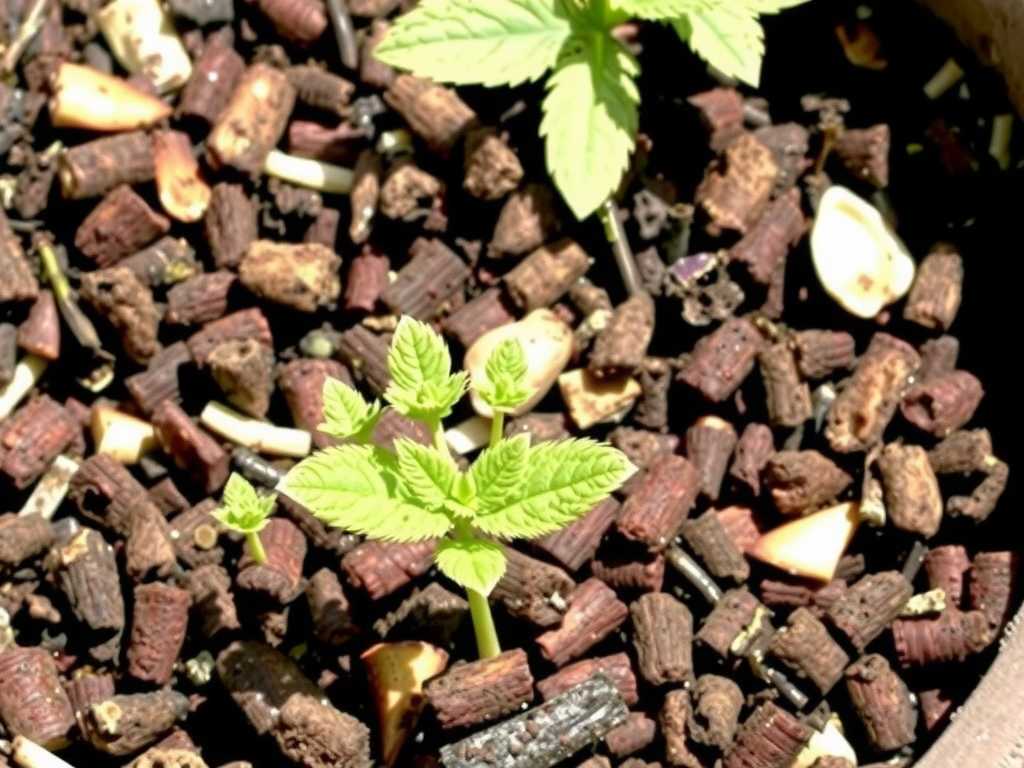
Before fixing the issue, it’s crucial to understand the "why." Sundews (Drosera) thrive in nutrient-poor, acidic, and consistently moist—but never waterlogged—conditions. The standard peat moss and perlite mix provides the perfect structure. However, when the balance is disrupted, trouble begins.
The primary culprit behind the sewer smell is anaerobic decomposition. In simple terms, this is decay that happens without oxygen. When soil is compacted, or a pot lacks proper drainage, water stagnates. Air pockets in the soil disappear, cutting off oxygen to the roots. In this oxygen-starved environment, beneficial aerobic bacteria die off, and harmful anaerobic bacteria take over. These bacteria produce foul-smelling gases like hydrogen sulfide (which smells like rotten eggs) and methane as they break down organic matter. This process is a direct sign of sundew root rot prevention failure.
Common causes include:
- Using standard potting soil or compost (which is rich, decomposes quickly, and retains too much water).
- A pot without drainage holes.
- Overwatering or allowing the plant to sit in a deep saucer of water constantly.
- Old, broken-down, or contaminated soil media.
- Poor air circulation around the pot.
Immediate Action: Diagnosing and Saving Your Sundew
If the smell is present, time is of the essence. Follow these steps to assess and address the emergency.
First, gently remove your sundew from its pot. Carefully shake and rinse away the old soil from the roots. This will allow you to inspect the root system. Healthy sundew roots are typically white or light-colored and firm. Roots affected by rot will appear dark brown or black, feel mushy or slimy, and may fall apart easily. The smell will be strongest here.
If you find rotted roots, you must act to save the plant. Using sterilized scissors or tweezers, carefully trim away all the soft, discolored roots. Only healthy, firm root material should remain. This step is critical for treating rotten carnivorous plant roots. After pruning, you can rinse the remaining root system with distilled water or a mild fungicide solution like sulfur-based powder (following product instructions) to help deter further fungal growth.
The Complete Soil and Pot Overhaul
Simply trimming roots and putting the plant back into the same environment will lead to a repeat disaster. A full reset is necessary.
Choosing the Right Medium: Always use a fresh, appropriate carnivorous plant mix. A 50:50 blend of sphagnum peat moss and horticultural perlite is the gold standard. Ensure the peat moss is unscented and has no added fertilizers or wetting agents. Perlite ensures aeration. Never use Miracle-Gro or similar enriched products. For an excellent alternative, consider pure long-fiber sphagnum moss, which is naturally antifungal and airy.
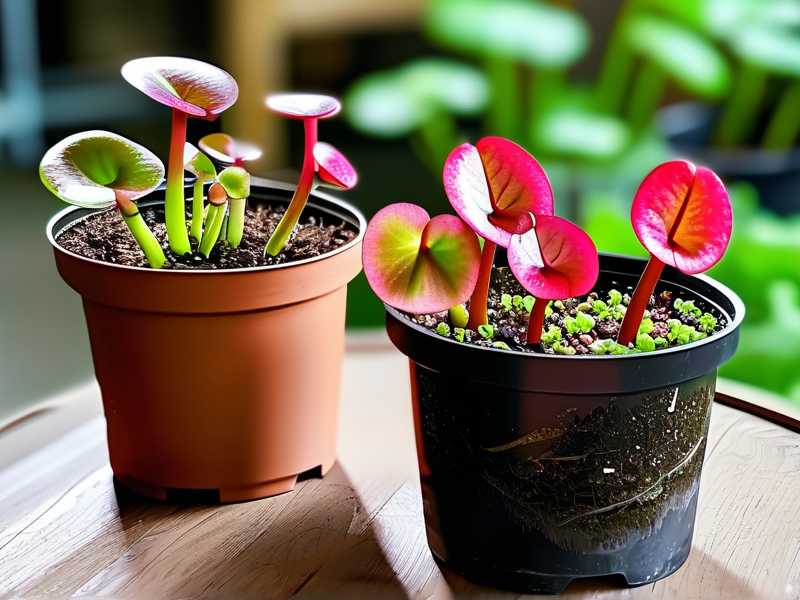
Selecting the Correct Pot: Terracotta pots are porous and can wick away minerals, which is generally not ideal for long-term sundew health as they can dry out too quickly. The best choices are plastic or glazed ceramic pots with ample drainage holes. The pot should be just large enough for the root system; an oversized pot holds more wet soil, increasing the risk of anaerobic zones.
The Repotting Process:
- Soak your new peat moss and perlite mix in distilled or rainwater until it is uniformly damp, like a wrung-out sponge.
- Fill your clean pot partway with the fresh mix.
- Position your sundew, spreading its healthy roots gently.
- Fill in around the roots with more mix, tapping the pot to settle the soil without compacting it.
- Water thoroughly from the top with distilled/rainwater to eliminate air pockets.
Mastering the Watering Technique to Prevent Future Smells
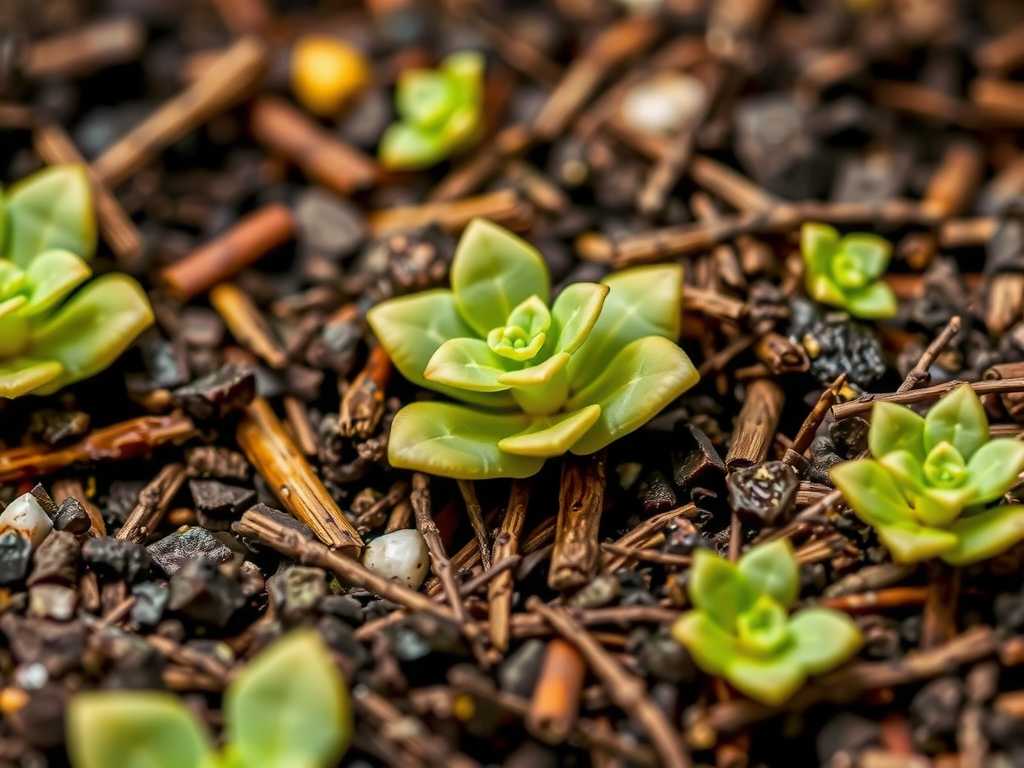
Proper watering is the single most important factor in preventing a recurrence. Sundews need constant moisture, not constant sogginess.
The Tray Method (Best Practice): Place your repotted sundew in a shallow saucer or tray. Add distilled, reverse osmosis (RO), or rainwater to the tray until it’s about 0.25 to 0.5 inches deep. Allow the tray to dry out completely before refilling it. This method allows the plant to draw water up from the bottom, keeping the surface aerated and preventing the top layer from becoming a compacted, smelly mat.
Top Watering: If you prefer top-watering, do so until water runs freely from the drainage holes. Then, do not water again until the top layer of soil just begins to feel slightly less moist. Never let the pot sit in a deep reservoir of water after top-watering.
Water Quality is Non-Negotiable: Always use low-mineral water. Tap water, even filtered, often contains dissolved salts and minerals that will accumulate in the soil, harming the roots and degrading the soil structure over time, making it more prone to compaction and smell.
Creating a Healthy Environment for Long-Term Success
Beyond soil and water, your sundew’s environment plays a key role in maintaining soil health.
Light and Airflow: Provide plenty of bright, direct light (4-6+ hours of direct sun or equivalent strong artificial light). Strong light encourages robust growth and helps utilize soil moisture efficiently. Good air circulation around the plant helps keep the soil surface drier and discourages fungal growth.
Seasonal Adjustments: Sundews often slow growth in cooler, dimmer winter months. During this time, they use less water. Reduce watering frequency slightly, allowing the tray to stay dry for a day or two before refilling, to compensate for reduced evaporation and transpiration.
When to Consider a Fungicide: For severe cases where root rot was extensive, a preventative treatment can be wise. As noted by horticulturist and carnivorous plant expert Dr. Damon Collingsworth, "A light dusting of sulfur powder on remaining roots after trimming can protect vulnerable tissue during recovery." Always use products labeled for horticultural use and follow instructions meticulously.
FAQ
My sundew’s soil smells musty, but not like sewer. Is this okay? A slight, earthy smell from peat moss is normal. A sharp, sour, musty, or rotten smell is not. It often indicates the beginning stages of anaerobic activity or mold. Check your drainage and watering habits immediately.
Can I reuse the old perlite or pot? Perlite can be reused if thoroughly cleaned and sterilized (soaked in a 10% bleach solution, then rinsed extensively with distilled water). Pots must be scrubbed clean and sterilized the same way to kill any lingering pathogens.
How often should I repot my sundew to avoid this? Even with perfect care, soil breaks down over time. Repotting your sundew every 1-2 years with fresh media is an excellent preventative measure. It refreshes the soil structure, prevents mineral buildup, and gives you a chance to inspect the root health.
A smelly sundew pot is a clear call to action. By understanding that the odor stems from oxygen-deprived soil, you can take decisive steps to rescue your plant. The solution always involves removing the plant, assessing and treating the roots, and providing a fresh start with an airy, appropriate soil mix in a well-draining pot. Moving forward, mastering the balance of consistent moisture with excellent drainage through the tray method is your best defense. With prompt care and these adjusted habits, your sundew will not only lose its foul odor but will reward you with vigorous growth and dazzling, dewy traps.