bluename
 How to Fix Sundew Leaves Burning from Grow Lights
Have you ever eagerly checked on your sundew plant, only to find its once-glistening, sticky leaves now sporting crispy, brown edges or bleached, papery spots? That heart-sinking sight is a telltale sign of light burn, a common but distressing issue for carnivorous plant enthusiasts using artificial lighting. Sundews (Drosera) are sun-loving plants, but the intense, concentrated output of modern grow lights can sometimes overwhelm them, leading to leaf scorch. This damage not only mars their beautiful appearance but can also impair their ability to catch prey and thrive. Don't worry—this guide is your comprehensive resource for diagnosing, fixing, and preventing sundew leaf burn from grow lights, ensuring your sticky friends return to their dewy, vibrant best.
Understanding Why Your Sundew Leaves Are Burning
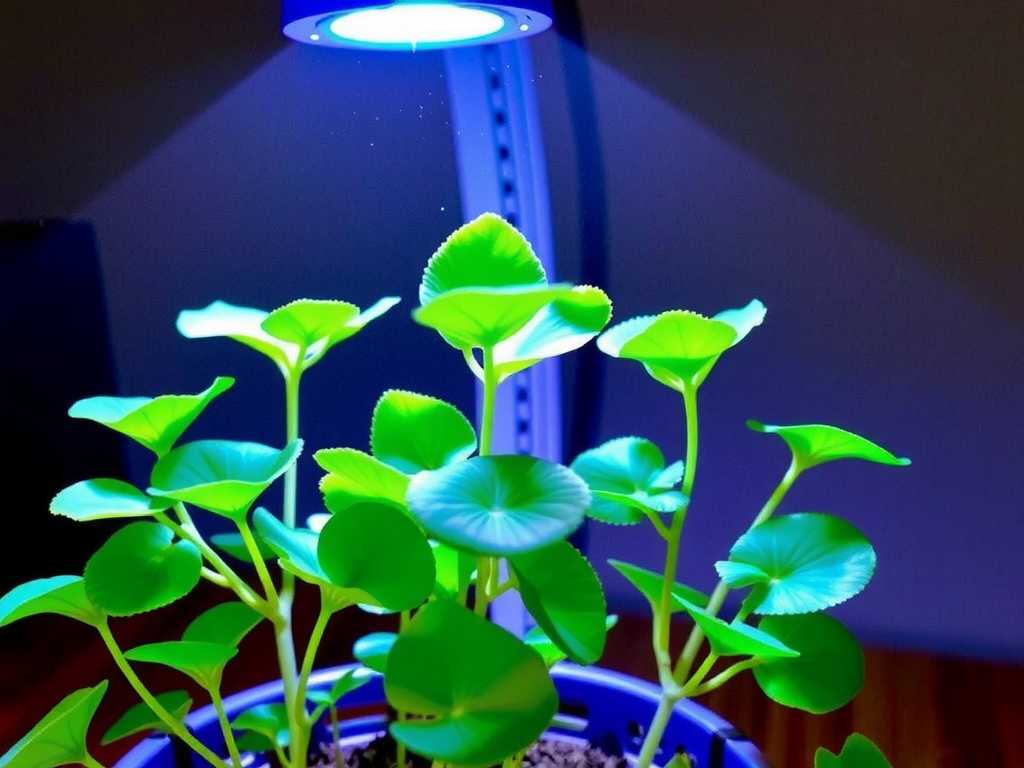
Before we jump into solutions, it's crucial to understand the "why." Sundews in their natural habitats bask in bright, often direct sunlight, but this light is filtered through the atmosphere and comes with natural cooling from wind and ambient moisture. Grow lights, especially powerful LEDs or HIDs, emit a highly concentrated spectrum of photons. When placed too close, or left on for too long, they can essentially "cook" the delicate leaf tissues, causing cellular damage. The plant's red pigments (anthocyanins) may first intensify, which is normal, but this is quickly followed by yellowing (chlorosis), then browning necrosis at the tips and margins. It's a clear distress signal.
Immediate Steps to Take When You Spot Burn
- Increase Distance Immediately: This is your first and most critical action. Move your light fixture up by at least 6-12 inches (15-30 cm). For very intense lights, you may need to move it even higher. The inverse square law applies to light intensity—doubling the distance reduces intensity to a quarter. This simple step often halts further damage instantly.
- Assess Light Duration: Are your lights running for 16+ hours non-stop? While some sundews appreciate long photoperiods, combined with high intensity, this can be too much. Consider reducing the "on" time by 2-4 hours to give your plant a restorative dark period.
- Evaluate Hydration: Burn damage is exacerbated by low humidity or dry soil. Ensure your sundew is sitting in its preferred 0.5-1 inch of mineral-free water (distilled, reverse osmosis, or rainwater). Check that the soil medium (usually peat/perlite) is consistently moist but not waterlogged. A dry plant under strong light is far more susceptible to scorching.
Finding the Perfect Grow Light Setup for Sundews
Prevention is always better than cure. Here’s how to create an optimal lighting environment.
Choosing the Right Light Intensity and Spectrum
Not all grow lights are created equal. Sundews perform excellently under full-spectrum LED lights, which mimic sunlight and are energy-efficient. According to a 2023 review in the Journal of Carnivorous Plant Sciences, LEDs emitting in the blue (400-500 nm) and red (600-700 nm) spectra promote robust growth and dew production in Drosera. Avoid blurple (deep red/blue) lights placed too close, as their intense, narrow bands can be harsh. Look for lights with a balanced white spectrum and a PPFD (Photosynthetic Photon Flux Density) suitable for medium to high-light plants. A PPFD of 200-400 µmol/m²/s at the plant's level is a great target range for most common sundews.
Mastering Light Height and Photoperiod
There's no universal "perfect" height, as it depends on your light's wattage and design. Start with the manufacturer's recommendation for "medium-light plants" and observe. A good rule of thumb is to place the light high enough that you can comfortably hold your hand at the plant's level for 30 seconds without feeling significant heat on your skin. For photoperiod, a cycle of 12-14 hours on is sufficient for most species. Tropical sundews like D. capensis thrive on 14 hours, while some temperate species benefit from a seasonal reduction. Use a simple timer for consistency; erratic lighting stresses plants.
Supporting Plant Health to Resist Stress
A healthy sundew is more resilient. Beyond light, two factors are paramount.
The Critical Role of Humidity and Water
Sundews are bog plants. Low humidity forces them to close their stomata to conserve water, which also limits cooling through transpiration, making leaf burn more likely. If you're growing in a terrarium or under a dome, ensure there's some air circulation to prevent fungal issues. For open-air setups, grouping plants together can create a beneficial microclimate. Always, always use pure water. Dissolved minerals in tap water can cause root burn and nutrient toxicity, weakening the plant and making it more susceptible to all forms of stress, including light burn.
Acclimating New Plants to Your Lights
A common mistake is taking a new sundew from a shaded nursery shelf and placing it directly under intense grow lights. This guarantees shock and scorch. The process of acclimating sundews to artificial light must be gradual. Start the plant at the far edge of your light's footprint or significantly raised height. Over 2-3 weeks, slowly move it closer to the center or gradually lower the light by an inch every few days. This slow introduction allows the plant to build protective pigments and adjust its physiology, a practice endorsed by veteran growers like Dr. Axel Händel in his cultivation guides.
Long-Term Recovery and Ongoing Care
For leaves already burnt, the damaged tissue will not recover. The plant will eventually absorb nutrients from it and shed it. Your goal is to support the emergence of new, healthy growth. Maintain your corrected light distance and schedule. Ensure impeccable watering habits. You can consider a very dilute application of a foliar feed specifically designed for carnivorous plants (like Maxsea 16-16-16 at 1/4 strength) sprayed lightly on new leaves, as burned leaves may catch fewer insects. However, this is optional; with proper conditions, the plant will recover on its own.
Frequently Asked Questions
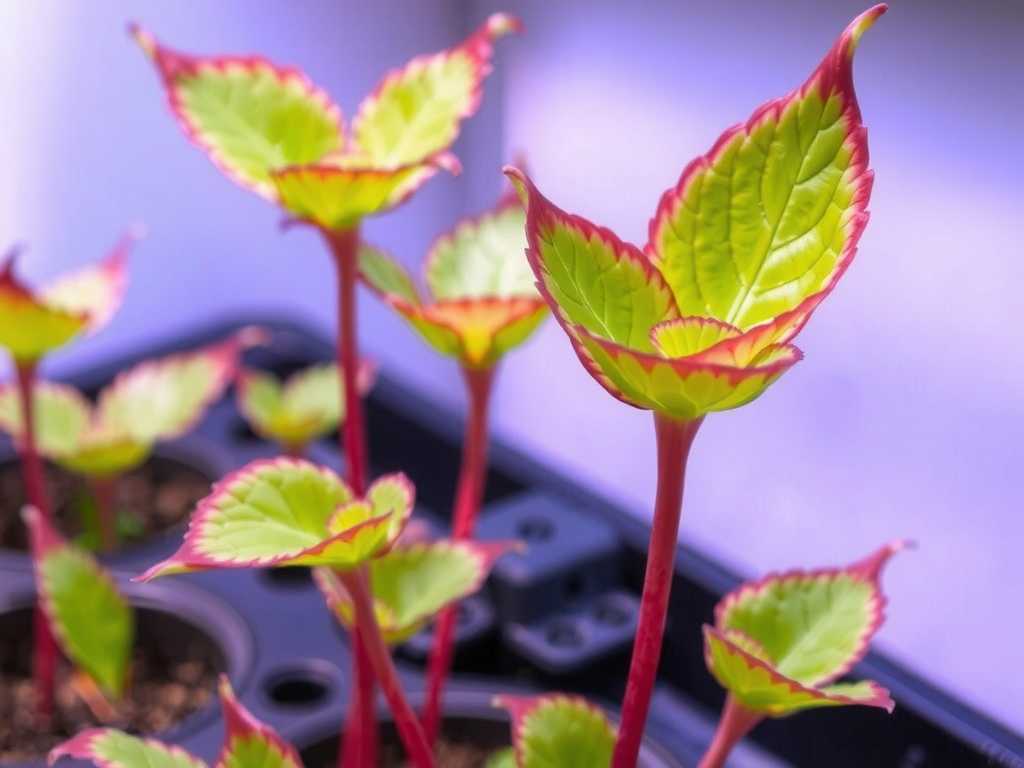
- Can burnt sundew leaves turn green again? No, the scorched, brown tissue is dead and cannot regenerate. The plant will focus energy on producing new leaves from the center. You can snip off the fully browned parts for aesthetics, but leave any still-green sections.
- How do I know if my sundew needs more light or less? Signs of insufficient light include stretched, leggy growth with few dew drops, and a pale green color. Signs of too much light are the bleaching or browning described here, and sometimes a stunted, overly compact appearance. Observe and adjust accordingly.
- Are certain sundew species more prone to light burn? Yes. Thin-leaved species like Drosera filiformis or some Australian tuberous sundews can be more sensitive. Hardy species like Drosera capensis or D. spatulata are more tolerant. Always research the specific light preferences of your sundew type.
Successfully growing sundews under lights is a rewarding balance of art and science. Leaf burn is a setback, not a death sentence. By responding quickly to move lights further away, dialing in the correct intensity and duration, and supporting your plant with pure water and high humidity, you create an environment where your sundews can showcase their incredible, dewy beauty without the threat of scorch. Patience and careful observation are your greatest tools. Watch as your plant puts out new, perfectly formed, and glistening leaves—a sure sign you've mastered the light.