bluename
 How to Fix Sundew Roots Rotting in Water: A Complete Rescue and Prevention Guide
Discovering your sundew's roots turning mushy and dark is a heart-sinking moment for any carnivorous plant enthusiast. Root rot in waterlogged conditions is a silent killer, often going unnoticed until the plant shows severe distress above the soil. This guide will walk you through the immediate steps to save your plant and the long-term strategies to ensure it never happens again. We'll focus on the delicate balance these fascinating plants need, moving beyond generic advice to provide targeted, actionable solutions for your Drosera.
Understanding the root cause is your first and most powerful tool. Sundews (Drosera) are not typical houseplants; they have evolved in nutrient-poor, consistently damp but well-aerated environments like bogs and seepages. Their roots are primarily for anchorage and water uptake, not for surviving in stagnant, oxygen-depleted water. When the growing medium remains waterlogged, harmful anaerobic bacteria and fungi thrive, attacking the roots and causing them to decay. This process, often called "wet feet," is the primary reason for sundew roots rotting in water.
Immediate Action: Diagnosing and Treating Active Root Rot
Don't panic if you suspect root rot. Swift and correct action can often save the plant, especially if the crown (the central growing point) is still healthy.
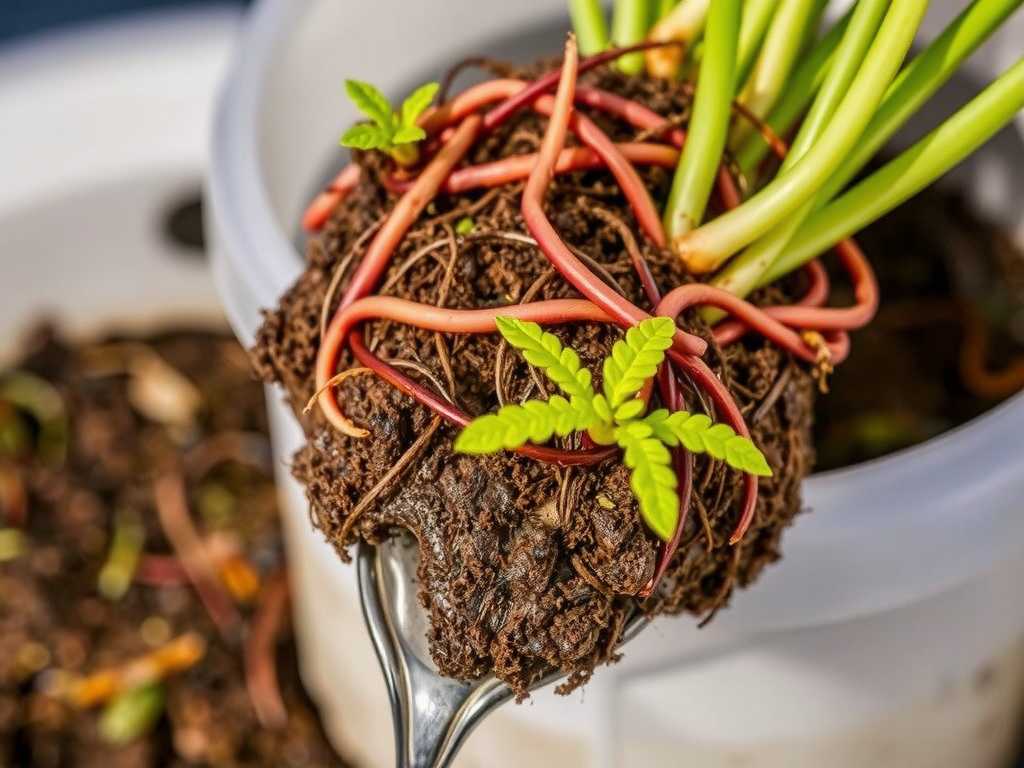
Recognizing the Signs of Trouble Above the soil, look for a sudden halt in growth, leaves that remain small or fail to produce dew, and a general, pervasive wilting that doesn't improve with watering. The most telling sign is at the base: a blackening or browning stem near the soil line. Gently remove the plant from its pot for inspection. Healthy sundew roots are typically white or light-colored and firm. Rotten roots will be dark brown or black, slimy to the touch, and may fall apart easily. A foul, swampy odor from the soil is a definitive red flag.
The Step-by-Step Rescue Operation First, prepare a clean workspace. You'll need sterilized scissors or tweezers, fresh carnivorous plant soil (a mix of peat moss and perlite/sand), and a clean pot with drainage holes.
- Gently Remove and Clean: Carefully take the plant out of its pot. Wash the root ball under lukewarm, distilled or rainwater to remove all old, contaminated medium.
- Surgical Removal: With your sterilized tool, meticulously cut away every piece of dark, mushy root. Be ruthless—any remaining rot will spread. Cut back until you see only healthy, firm tissue.
- Disinfect (Optional but Recommended): Soak the remaining healthy roots and crown in a fungicide solution labeled for ornamental plants, following dilution instructions carefully. A natural alternative is a mild cinnamon powder dusting on the cut areas, a known antifungal.
- Repot in Life-Support: Fill your new pot with pre-moistened, fresh soil mix. Create a hole and plant your sundew, ensuring the crown is right at the soil surface. Do not fertilize.
- The ICU Environment: Place the repotted sundew in a location with very high humidity (a terrarium or inside a clear plastic bag) and bright, indirect light. This reduces stress while the plant regenerates roots. Keep the soil consistently damp but not sitting in water.
The Golden Rules of Watering to Prevent Root Rot
The rescue is only half the battle. Preventing a recurrence means mastering the art of watering, which is the single most critical factor in treating and preventing sundew root rot.
The Tray Method: Getting It Right The classic "tray method" is excellent for sundews but is often misunderstood. The goal is to maintain constant, slight moisture, not to create a permanent pond.
- How to Do It Correctly: Place the pot in a saucer or tray. Add distilled, rainwater, or reverse osmosis water to the tray, filling it to about 0.5 to 1 inch. Let the tray dry out completely before refilling. This cycle allows the top layer of soil to breathe while the lower layers draw up moisture. Never let the pot sit in a perpetually full tray of water.
- The Top-Watering Alternative: Some growers prefer to top-water thoroughly until it drains from the holes, allowing the excess to drain away completely, and then water again only when the top surface of the soil begins to feel slightly less moist. This method requires more frequent attention but offers excellent aeration.
Water Quality is Non-Negotiable Tap water is a common culprit. Minerals and salts in tap water (like chlorine, fluoride, and dissolved solids) accumulate in the soil, creating a toxic environment that damages roots, making them susceptible to rot. As expert and author of The Savage Garden, Peter D'Amato, emphasizes, "Carnivorous plants are adapted to mineral-free water. Using tap water can slowly poison them, leading to root damage and decline." Always use pure water sources.
Building the Perfect Foundation: Soil and Pot
Your watering practices are only as good as the foundation you provide. The right soil and pot are your best insurance policy.
Crafting the Ideal Soil Mix Sundews require an acidic, nutrient-free, and fast-draining yet moisture-retentive medium. A standard mix is a 1:1 ratio of sphagnum peat moss and horticultural perlite or silica sand. The peat holds moisture, while the perlite creates essential air pockets. Avoid standard potting soil, compost, or fertilizers at all costs—they are fatal.
Choosing the Right Container The pot is your primary tool for managing soil aeration. Always use a pot with multiple drainage holes. Plastic pots are preferable to glazed ceramic as they don't wick moisture away from the soil as quickly. Ensure the pot is an appropriate size; an overly large pot holds more water than the plant can use, increasing the risk of soggy soil causing Drosera root death.
Environmental Factors and Long-Term Health
Light and temperature work in tandem with your care routine to build a resilient plant.
Providing Adequate Light A strong, healthy sundew is more resistant to disease. Most sundews thrive in very bright, direct light (4-6+ hours of direct sun or equivalent grow lights). Ample light fuels vigorous growth, helping the plant recover from stress and outgrow minor issues.
Ensuring Proper Air Circulation While sundews appreciate high humidity, stagnant air encourages fungal growth. Gentle air movement from a nearby fan or an occasionally opened terrarium lid can prevent pathogens from settling without drying out the plant.
Frequently Asked Questions
Can a sundew with no roots survive? Yes, many sundews, especially common varieties like Drosera capensis, are remarkably resilient. If the crown is intact and healthy, follow the rescue steps above and place it in a high-humidity environment. It can often regenerate new roots from the base of the crown over several weeks.
How often should I water my sundew to prevent rot? Forget a fixed schedule. The frequency depends on your climate, pot size, and light. Instead, use the tray method and refill only after it has been dry for a day, or check the soil's top surface. The key is consistent slight moisture, not constant saturation.
My sundew is in a terrarium; how do I avoid waterlogging? Terrariums are high-risk for rot due to minimal evaporation. Use a deep layer of drainage material (like lava rock) under the soil. Water very sparingly, directly to the base of the plant, and never flood the entire terrarium floor. Ensure the terrarium has some ventilation.
Success with sundews comes from mimicking their natural habitat: consistently moist, aerated, acidic, and nutrient-poor. By understanding that root rot is a symptom of environmental imbalance—usually from stagnant water and improper soil—you can shift from reactive care to proactive cultivation. Focus on the trifecta of pure water, airy soil, and bright light. With these principles in place, you'll not only fix current problems but also cultivate robust sundews that showcase their captivating, dewy beauty for years to come.