bluename
 How to Fix Sundew Dew Being Sticky but Not Shiny: A Complete Care Guide
You’ve nurtured your sundew, expecting those iconic, shimmering droplets that make this carnivorous plant so mesmerizing. Instead, you find a sticky, glue-like substance that lacks the sparkling, jewel-like dew. This common frustration leaves many growers asking: why is my sundew’s dew sticky but not shiny, and how can I fix it? The absence of that characteristic glistening dew is more than an aesthetic issue; it’s a key indicator of your plant’s health and hunting efficiency. This guide will walk you through the precise environmental adjustments and care steps needed to restore your sundew’s radiant, functional dew.
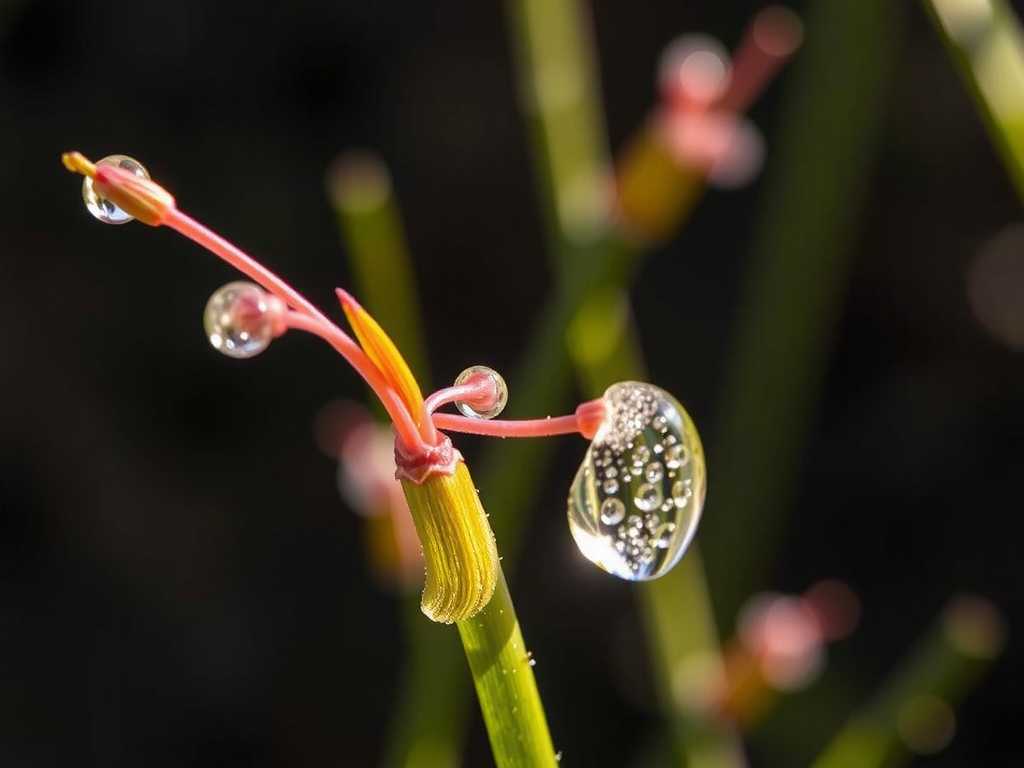
Understanding Sundew Dew: Glue vs. Nectar First, it’s crucial to understand what the "dew" actually is. The sticky droplets are a complex mucilage secreted by specialized tentacles. A healthy sundew produces a balanced secretion with both adhesive qualities and a high water content that refracts light, creating the shiny appearance. When the dew is overly thick, sticky, and dull, it often means the plant is conserving resources or reacting to suboptimal conditions. The shiny quality is vital, as it helps attract prey and indicates proper hydration and metabolic function.
Diagnosing the Root Causes of Dull, Sticky Dew Several interconnected factors can disrupt your sundew’s dew production. Pinpointing the correct cause is the first step toward a solution.
Inadequate Lighting (The Most Common Culprit) Sundews are sun-loving plants. Insufficient light is the primary reason for poor dew formation. Low light levels force the plant to produce a thicker, more glue-like mucilage as a desperate measure to trap any rare insect that comes near, sacrificing the watery, shiny component. If your plant is stretching (etiolating), has pale coloration, and has sticky but non-glistening tentacles, light is almost certainly the issue.
Low Humidity Levels While some sundew species are adaptable, most thrive in moderate to high humidity. In dry air, the watery component of the dew evaporates quickly, leaving behind a concentrated, sticky residue that doesn’t shine. This often happens with plants kept in typical indoor room conditions without additional humidity.
Water Quality and Soil Moisture Using mineral-rich water (tap, spring, or bottled water) can clog the plant’s secretory glands over time. A buildup of salts and minerals on the leaves and in the soil stresses the plant, impairing its ability to produce healthy dew. Similarly, inconsistent soil moisture—either drought or waterlogging—causes physiological stress.
Nutritional Stress and Dormancy Paradoxically, both overfeeding and underfeeding can affect dew. A sundew with no access to insects might produce less dew, while one that is overfed artificially may temporarily halt production. Also, some temperate species entering or exiting dormancy may naturally exhibit reduced or poor-quality dew.
Step-by-Step Solutions to Restore Shiny Dew Addressing the problem requires a holistic approach. Follow these steps systematically.
1. Optimize Light Exposure Dramatically Increase light intensity immediately. For indoor growers, a bright south-facing window is the minimum. However, the most reliable solution is using a strong grow light.
- Specification: Use a full-spectrum LED or fluorescent panel placed 6-12 inches above the plant.
- Duration: Provide 12-16 hours of artificial light per day, mimicking long summer days.
- Result: You should see improvement within 1-2 weeks. New growth will emerge with shinier dew, while old leaves may not fully recover.
2. Manage Humidity Effectively Aim for a relative humidity level of 50% or higher.
- Simple Method: Place your sundew’s pot on a wide humidity tray filled with pebbles and water. Ensure the pot sits above the water line.
- Advanced Method: Use a small humidifier near your plant collection, or grow plants in a dedicated terrarium or greenhouse cabinet. Avoid misting the leaves directly, as this can wash away dew.
3. Enforce Strict Water and Soil Protocols This is non-negotiable for long-term health.
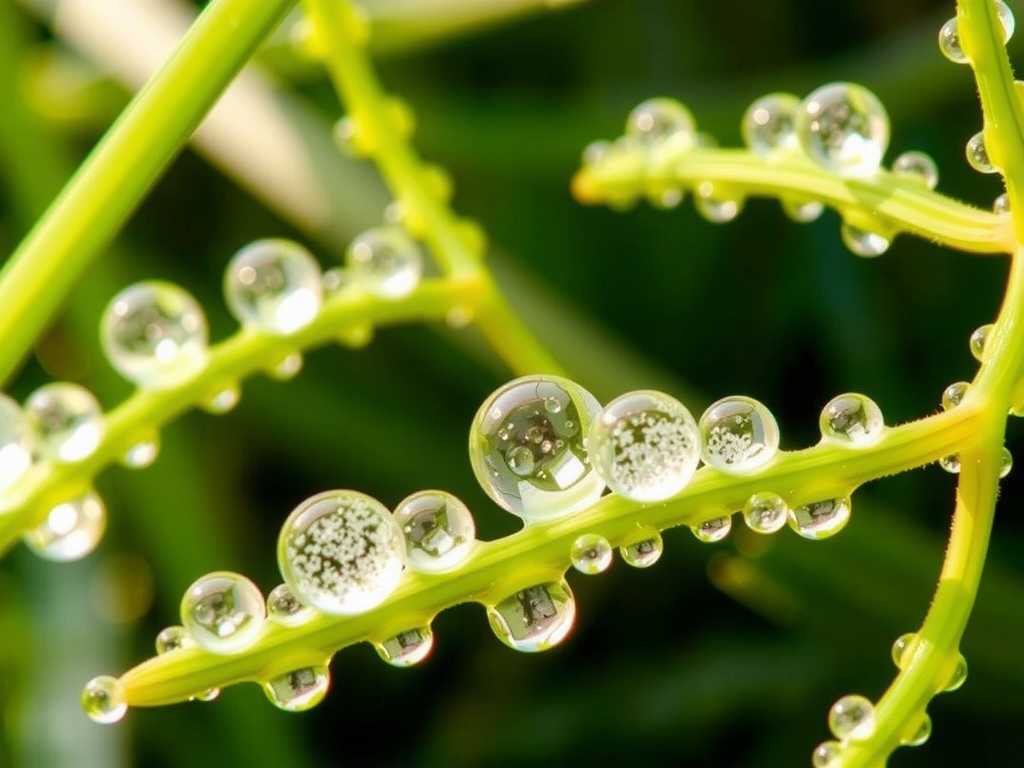
- Water: Use only distilled water, reverse osmosis (RO) water, or rainwater. Water from below by keeping the pot in a saucer with 0.5-1 inch of water at all times (the "tray method").
- Soil: Use a nutrient-free medium: a 50:50 mix of sphagnum peat moss and perlite is standard. Repot if you suspect mineral buildup from previous poor watering habits.
4. Review Feeding and Dormancy Practices
- Feeding: If grown indoors with no insects, feed a single tentacle a tiny insect or drop of diluted max-strength fertilizer (like fish flakes or bloodworms rehydrated in water) no more than once every 2-4 weeks. Do not overfeed.
- Dormancy: For temperate species (like Drosera capensis), research their specific dormancy requirements. A winter rest period with cooler temperatures and reduced light is essential for their annual cycle and subsequent vigorous, dewy growth.
Preventative Care for Consistently Perfect Dew Once you’ve restored the shine, maintain it with consistent care.
- Stable Environment: Avoid sudden changes in location, light, or temperature.
- Good Air Circulation: In high-humidity setups, gentle air movement from a small fan prevents fungal issues without drying the plant out too quickly.
- Patience with New Leaves: Remember that dew production is strongest on new, healthy growth. Older leaves will naturally senesce.
Expert Insight: The Science of the Shine Botanist Dr. Elaine Alistair, who studies plant secretions, notes, "The shininess of sundew dew is a direct reflection of its water-to-mucopolysaccharide ratio and the plant’s turgor pressure. It’s a finely tuned biological mechanism optimized by perfect environmental cues. When the light, water, and humidity are correct, the plant confidently produces that energetically costly, shimmering lure."
Will increasing light alone fix the problem? In over 80% of cases, significantly increasing light intensity is the single most effective action. However, for a complete and lasting recovery, it should be combined with proper water and humidity management. Light drives the plant’s energy production, enabling it to create the watery dew without resource conservation.
My sundew has no dew at all, not even sticky glue. What’s wrong? A complete lack of dew indicates severe stress, often from a combination of very low humidity, improper watering (either type or frequency), and/or extremely low light. Review all core care parameters. Sometimes, a recently transplanted or shipped sundew will also temporarily lose its dew due to shock.
Is it safe to touch or stimulate the dew to test it? It’s best to avoid touching the tentacles. The oils and salts on your skin can damage the sensitive secretory cells and inhibit dew production on that spot. Observe visually instead of testing physically.
Seeing your sundew regain its sparkling, sticky dew is a rewarding sign of successful care. The transformation from a dull, gluey residue to a field of glistening drops means you’ve mastered the essentials: powerful light, pure water, and balanced humidity. Consistency is key. By providing this stable, optimized environment, you enable your carnivorous plant to not only survive but thrive, showcasing its beautiful and deadly dewy allure every day.