bluename
 How to Fix Sundew Leaves Wilting or Drooping: A Complete Rescue Guide
There's nothing more disheartening for a carnivorous plant enthusiast than seeing the once vibrant, sticky tentacles of a sundew (Drosera) lose their vigor. Wilting or drooping sundew leaves are a clear distress signal from your plant. While alarming, this condition is often reversible if you diagnose and address the underlying cause promptly. This comprehensive guide will walk you through the step-by-step process of identifying why your sundew is wilting and provide actionable solutions to restore its health and dewy glory.
Understanding the Sundew's Natural State
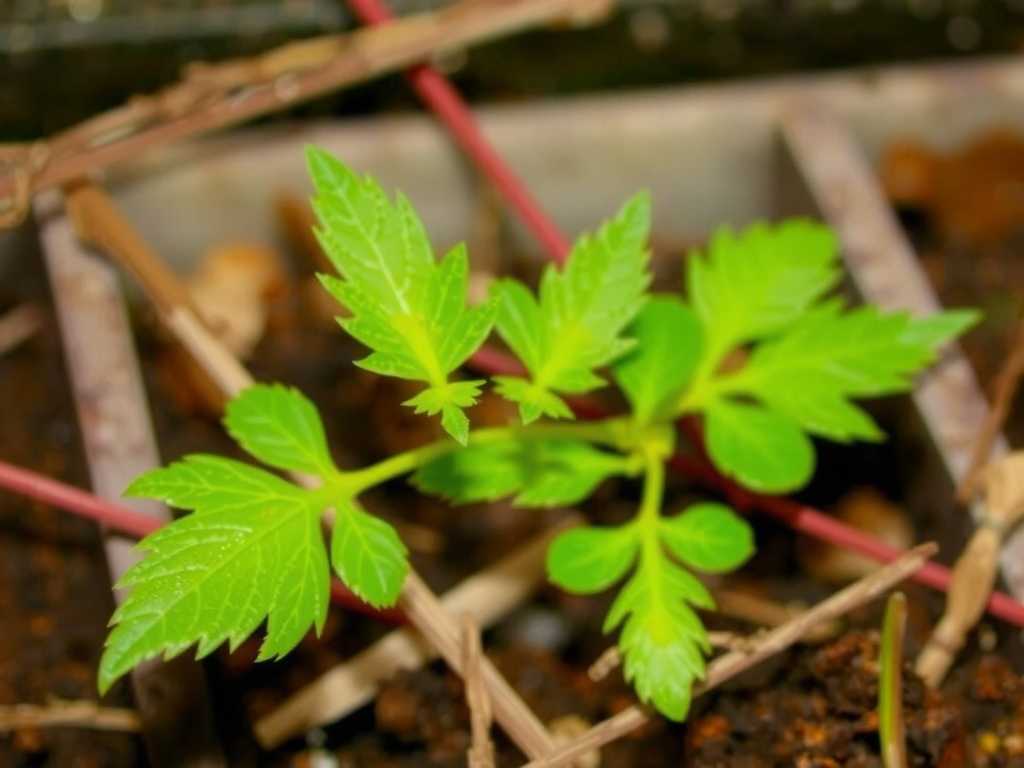
First, it's crucial to distinguish between normal growth patterns and genuine distress. Some sundew species naturally have a semi-upright or sprawling habit. New leaves unfurl from the center, while older outer leaves may gradually wither and die as part of the natural lifecycle. However, widespread wilting, sudden drooping of multiple leaves, or a loss of the characteristic sticky mucilage (dew) across the entire plant indicates a problem with its core care requirements.
Diagnosing the Cause: Why Is My Sundew Wilting?
Successful revival begins with accurate diagnosis. The following are the primary culprits behind drooping sundew plants.
Improper Watering: The Most Common Culprit
Watering issues are the leading cause of sundew distress. These plants are bog natives and have non-negotiable water needs.
- Underwatering (Drought Stress): Sundews require consistently moist to wet soil at all times. If the growing medium dries out, the roots cannot support the leaves, leading to rapid wilting, crispy edges, and a complete absence of dew.
- Overwatering & Root Rot: While they love wet soil, sundews are not aquatic plants. They require oxygen at their roots. Watering with improper water or using a non-draining pot can lead to suffocation and root rot, where roots turn mushy and black. Ironically, the symptoms above the soil mirror underwatering—wilting, yellowing, and collapse—because the rotten roots can no longer take up water.
Solution: Always use the tray method. Place your pot in a saucer or tray and keep it filled with 0.5 to 1 inch of water. Use only low-mineral water such as distilled water, reverse osmosis (RO) water, or rainwater. Tap water, with its dissolved salts and minerals, will slowly poison the plant and cause root burn, leading to wilting.
Incorrect Light Levels: The Energy Source
Sundews are sun-loving plants. Insufficient light is a major reason for a sundew losing its dew and becoming limp. Without adequate bright, direct light (4-6+ hours minimum for most species), the plant cannot photosynthesize efficiently. It becomes etiolated (stretched), weak, and stops producing the energy-intensive sticky mucilage. The weakened leaves may droop under their own weight.
Solution: Provide very bright, direct sunlight. A south-facing window is ideal in the Northern Hemisphere. For most growers, a strong LED or fluorescent grow light positioned 6-12 inches above the plant for 12-14 hours a day yields the best results, producing vibrant colors and plentiful dew.
Humidity and Environmental Stress
While many common sundews (like Drosera capensis) adapt to lower humidity, sudden drops or extremely dry air can cause dew loss and leaf curl, especially in more sensitive species or newly acquired plants. Combined with other stressors like temperature swings or drafts from heating/air conditioning vents, it can trigger a wilting response.
Solution: Avoid placing plants near vents. For humidity-sensitive species, use a humidifier or employ the cloche method (a clear dome or plastic bag over the pot for a few weeks) to gradually acclimate the plant to your home's conditions. The tray method of watering also naturally increases local humidity.
Potting Medium and Fertilizer Toxicity
Sundews require nutrient-poor, acidic, and airy soil. Standard potting mix or any soil containing fertilizers, compost, or minerals is fatal. The nutrients burn the delicate roots and alter the soil chemistry, causing systemic wilting and decline.
Solution: Repot immediately in the correct medium. A 50:50 mix of sphagnum peat moss and perlite is the universal standard. Ensure all components are unfertilized. Never add fertilizer to the soil. Sundews obtain all necessary nutrients from their captured insects.
Pests and Diseases
Though less common, pests like aphids or fungus gnats can attack weakened plants. Aphids suck sap from tender new growth, causing distortion and wilting. Fungus gnat larvae in overly soggy soil can damage roots.
Solution: For aphids, a careful application of a diluted insecticidal soap spray or physically removing them with a water-dampened swab can work. For fungus gnats, allowing the top layer of soil to dry slightly between water refills and using sticky traps helps break the lifecycle.
Step-by-Step Rescue Plan for a Wilting Sundew
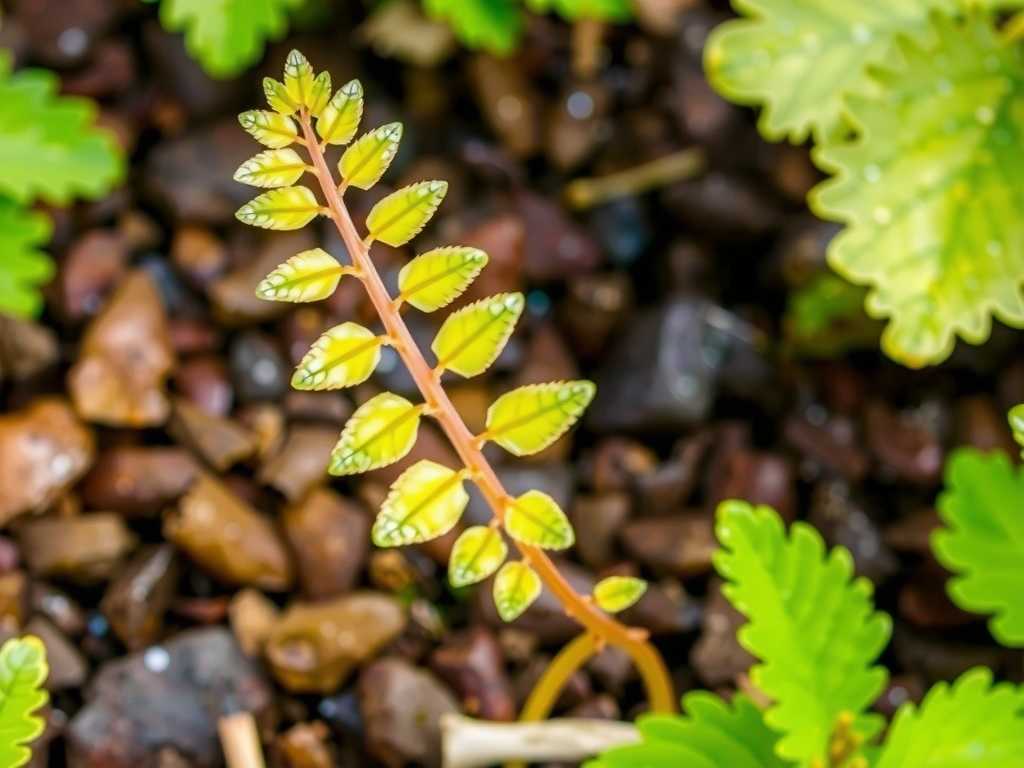
- Immediate Assessment: Check the soil moisture with your finger. Is it bone dry or soggy and smelly? Examine the plant for pests. Review its recent light exposure.
- Address Watering: If dry, thoroughly soak the pot from above with distilled water until water runs through the drainage holes, then immediately place it in a filled water tray. If soggy and root rot is suspected, proceed to step 3.
- Repot if Necessary: If you suspect wrong soil, fertilizer contamination, or severe root rot, repotting is urgent. Gently remove the plant, wash all old medium from the roots with distilled water, trim away any black/mushy roots with sterile scissors, and replant in fresh, appropriate carnivorous plant soil.
- Optimize Light: Move the plant to a brighter location or under a suitable grow light. Recovery requires energy, and light is the key.
- Provide Stable Conditions: Place the plant in a warm, draft-free spot with high humidity if possible. Be patient. It may take several weeks for the plant to stabilize and produce new, healthy growth.
Preventing Future Wilting: Best Practices for Sundew Care
Consistency is key. Maintain the tray method with pure water. Provide maximum light. Keep them in their preferred temperature range (most thrive at 60-85°F / 15-29°C). Feed them occasionally with small, live insects if grown indoors without access to prey, but avoid overfeeding. A well-fed sundew in correct conditions is a resilient sundew.
Frequently Asked Questions
Can a completely wilted sundew be saved? Yes, if the central growth point (meristem) is still green and firm, there is hope. Even if all leaves die back, the plant can regrow from its roots or stem once the growing conditions are corrected. Focus on saving the crown and roots.
How long does it take for a sundew to recover from wilting? After correcting the issue, you should see stabilization within a week. New growth may appear in 2-3 weeks. Full recovery to a dewy, robust plant can take a month or more, depending on the severity of the stress.
Why is my sundew wilting even though the soil is wet? This is a classic sign of root rot or water quality issues. Wet soil with wilting leaves means the roots are damaged and cannot absorb water. Check the roots for rot and immediately switch to watering exclusively with distilled, RO, or rainwater.
Seeing your sundew's leaves droop is a call to action, not a reason for despair. By systematically checking and correcting its water, light, soil, and environment, you can almost always nurse your plant back to health. Remember, these fascinating plants are adapted to harsh, nutrient-poor environments and possess a strong will to live when given their basic, specific needs. Your attentive care, guided by the principles above, will be rewarded with a thriving, sticky specimen that captures both insects and admiration.