bluename
 How to Grow Drosera Venusta (Pretty Sundew): A Complete Care Guide for Vibrant, Sticky Traps
You've brought home a Drosera venusta, captivated by its glistening, jewel-like leaves and otherworldly beauty. But now, the anxiety sets in. Why are its dewy tentacles drying up? Is it getting enough light, or too much? Will it simply wither away in your care? Keeping this stunning carnivorous plant thriving can feel like a delicate secret, but it doesn't have to be. The truth is, growing Drosera venusta successfully hinges on understanding a few key, non-negotiable needs. This guide will transform your uncertainty into confidence, providing clear, step-by-step instructions to cultivate a lush, sticky, and actively trapping Pretty Sundew.
Understanding Your Drosera Venusta
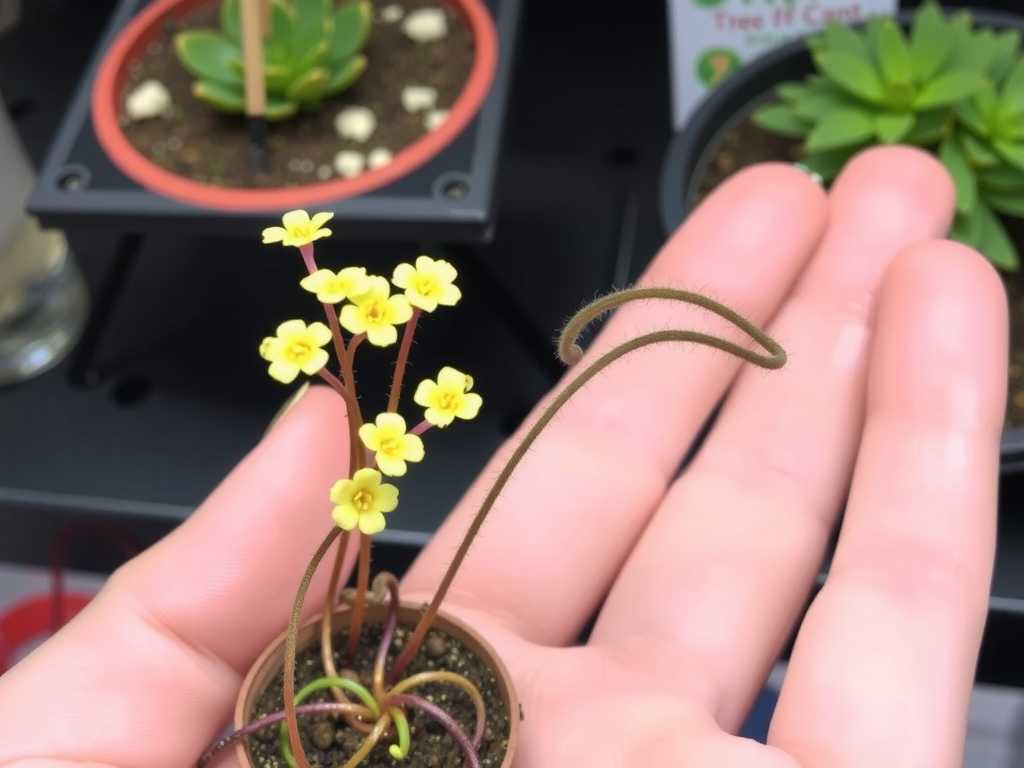
Native to South Africa, Drosera venusta is a subtropical sundew prized for its compact rosette and prolific production of shimmering mucilage. Unlike some demanding highland species, its requirements are straightforward, making it an excellent choice for both beginners and seasoned collectors. Its growth follows a natural cycle, and recognizing this is the first step toward providing optimal care.
Essential Growing Conditions for a Healthy Pretty Sundew
The foundation of success lies in replicating the plant's natural habitat as closely as possible. Ignoring these core pillars will lead to stress, poor dew production, and decline.
Light: The Source of Sparkle and Color
Light is the most critical factor for cultivating Drosera venusta. Insufficient light results in weak, green growth with little to no red pigmentation and sparse, watery dew. Your plant is telling you it needs more energy.
- Ideal Source: Provide 4-6 hours of direct sunlight (morning sun is excellent) supplemented by bright, indirect light for the rest of the day. A south-facing window is often ideal in the Northern Hemisphere.
- Artificial Lighting: If natural light is inadequate, use a strong LED or fluorescent grow light placed 6-12 inches above the plant for 12-14 hours daily. Under proper intense lighting, the tentacles and leaves will develop a beautiful red or orange hue, and the dew will be thick and copious.
Water: Pure Hydration is Non-Negotiable
Sundews are extremely sensitive to dissolved minerals and chemicals found in tap water, which can burn their roots and cause leaf tip die-off.
- Water Quality: Use only low-mineral water. This includes rainwater, distilled water, reverse osmosis (RO) water, or water from a zero-water filter.
- Watering Method: Employ the tray method. Place your pot in a saucer or tray and keep it filled with 0.5 to 1 inch of pure water at all times. This mimics their naturally boggy environment and allows the medium to wick moisture upward. Never let the tray dry out completely, and never water from the top in a way that washes dew off the leaves.
Soil and Potting: Creating the Right Foundation
Standard potting soil is fatal to carnivorous plants. They require a nutrient-free, acidic, and airy medium.
- Soil Mix: A simple, effective mix is a 1:1 ratio of sphagnum peat moss and horticultural perlite. Avoid Miracle-Gro or other fertilized products. Some growers also have success with long-fiber sphagnum moss alone.
- Pot Selection: Use plastic or glazed ceramic pots with ample drainage holes. Avoid terracotta, as it can leach minerals into the soil. A 3-4 inch pot is sufficient for a single plant for a long time.
Feeding Your Pretty Sundew
While light provides energy, feeding Drosera venusta provides the nitrogen and nutrients it cannot get from its poor soil. A well-fed plant grows faster and produces more leaves.
- Natural Feeding: If placed outdoors or in a greenhouse, it will catch small gnats, fruit flies, and springtails on its own.
- Manual Feeding: Indoors, you can gently place a small, soft-bodied insect (like a fruit fly or pinhead cricket) onto a sticky tentacle every 2-4 weeks. Do not use fertilizer or meat. The leaf will slowly curl around the prey over several days in a fascinating display of botanical digestion.
Ongoing Care and Maintenance
With the basics covered, a little routine attention will keep your sundew in peak condition.
Humidity and Temperature
Drosera venusta appreciates moderate humidity (above 50%) but is more adaptable than many tropical sundews. If your air is very dry, a humidity tray or occasional gentle misting with pure water can help, though good light is more crucial for dew production. It thrives in typical household temperatures, between 60°F (15°C) and 85°F (29°C).
Dormancy Considerations
As a subtropical species, Drosera venusta does not require a cold winter dormancy like temperate sundews. However, it may slow its growth during shorter, cooler winter days. Reduce the water level in the tray slightly during this period but never let the soil become dry.
Propagation: Creating New Plants
One of the joys of growing Pretty Sundew plants is how easily they propagate.
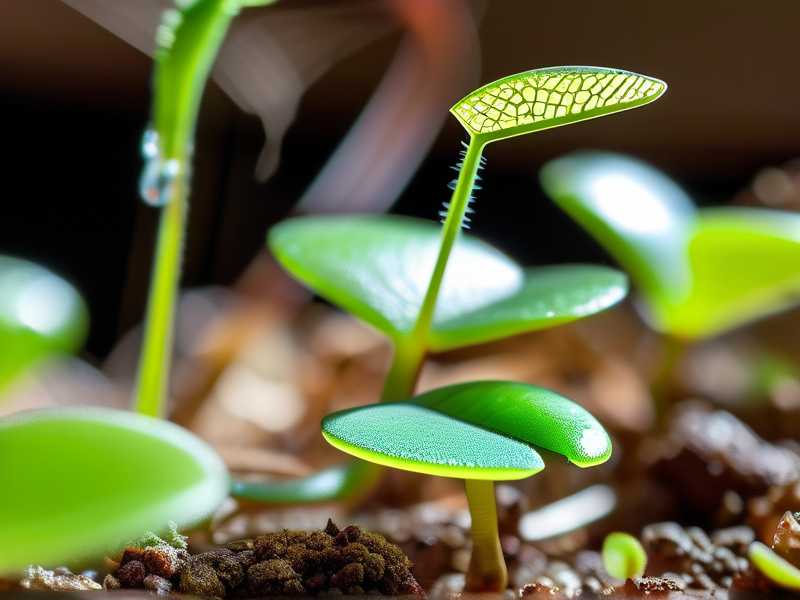
- Leaf Pulls: The most reliable method. Gently pull a healthy leaf from the base, place it on damp peat moss, and cover with a clear lid for humidity. Tiny plantlets will form at the leaf base in a few weeks.
- Flower Stalks: If you allow the flower stalk to grow (it produces lovely pink flowers), you can sometimes plant the tip after flowering to generate a new plantlet.
- Seed: After flowering, you can collect seeds and sow them on the soil surface. They require light and consistent moisture to germinate.
Troubleshooting Common Issues
- Lack of Dew: Almost always caused by insufficient light. Increase light intensity or duration.
- Leaves Turning Black: This can be normal for old leaves dying back. If new leaves are blackening, check your water source (must be mineral-free) and ensure you are not over-feeding.
- Fungus Gnats: While the plant will eat some, a major infestation can be a nuisance. Use yellow sticky traps and allow the water tray to dry slightly for a day between refills to disrupt the gnat lifecycle.
- Mold on Soil: Usually from lack of air circulation or organic debris. Gently remove moldy material, increase airflow, and ensure you are using the correct peat/perlite mix.
How often should I feed my Drosera venusta? Feeding is beneficial but not a daily requirement. One small insect per plant every 2-4 weeks is ample. If it is catching its own prey outdoors, no manual feeding is necessary. Overfeeding can cause leaves to die back prematurely.
Can I use tap water if I let it sit out for a day? No. Letting water sit only evaporates chlorine (and not always chloramine); it does not remove dissolved minerals like calcium and magnesium, which are harmful. Consistently using pure water is essential for long-term health.
Why is my sundew growing tall and leggy? This is called etiolation and is a sure sign of insufficient light. The plant is stretching to find a brighter light source. Move it to a much brighter location or introduce a strong grow light placed closer to the plant to encourage compact, colorful growth.
Success with Drosera venusta is a rewarding journey of observation and simple, consistent care. By prioritizing intense light, pure water, and the correct soil, you create an environment where this carnivorous wonder can truly flourish. Witnessing its daily dewy sparkle and efficient traps is a unique pleasure, a testament to providing for its specific needs. Start with these fundamentals, be patient, and your Pretty Sundew will respond with vigorous growth and captivating beauty for years to come.