bluename
 How to Grow Sundew from Seeds in Summer: A Complete Beginner’s Guide
You’ve been fascinated by the delicate, glistening tentacles of sundew plants, nature’s own sticky flypaper. You want to grow these captivating carnivores from seeds, but you’ve heard they’re finicky, and starting in summer seems counterintuitive. The fear of seeds rotting, the confusion about heat and light, and the overwhelming advice online can make the process feel daunting. What if your efforts yield nothing but mold? This guide is designed to demystify the process. Growing sundew from seeds in summer is not only possible but can be incredibly rewarding with the right approach. We’ll walk you through every step, turning potential frustration into a thriving colony of these insect-eating wonders.
Why Summer is Actually a Great Time to Start Sundew Seeds
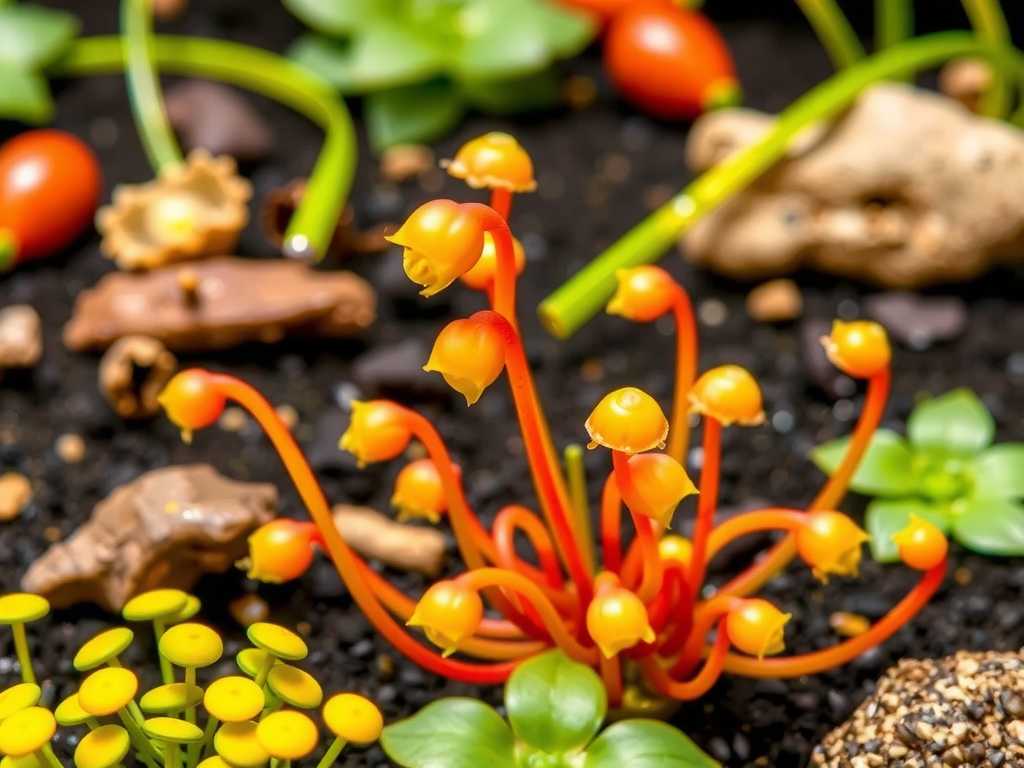
Many gardeners assume spring is the only season for sowing. However, for many sundew species, especially those from temperate regions, summer offers distinct advantages. The key is understanding their natural growth cycle and replicating those conditions.
The primary benefit is consistent warmth. Most sundew seeds germinate best at stable temperatures between 70°F and 85°F (21°C to 29°C). Summer provides this ambient warmth naturally, reducing the need for heat mats and creating an ideal environment for germination. Furthermore, long daylight hours support strong seedling growth once they sprout, giving them a full season to establish before cooler weather arrives.
According to horticulturist Dr. Marcus Jones of the International Carnivorous Plant Society, "While stratification is crucial for many temperate species, summer sowing allows growers to utilize natural seasonal cycles. Seeds sown in late summer can experience the necessary cold period over winter, perfectly timing germination for the following spring." This method aligns with their natural ecology.
Essential Materials and Setup Before You Sow
Success starts with the right foundation. Using standard potting soil is the fastest way to fail, as sundews require nutrient-poor, acidic conditions.
- Seeds: Source fresh seeds from reputable carnivorous plant nurseries. Species like Drosera capensis (Cape Sundew) or Drosera spatulata are excellent, forgiving choices for beginners.
- Growing Medium: A 50:50 mix of sphagnum peat moss and perlite is ideal. Avoid any product with added fertilizers or chemicals. Pre-moisten the mix with distilled water, reverse osmosis (RO) water, or rainwater until it’s damp like a wrung-out sponge.
- Containers: Shallow pots or seed trays with drainage holes are perfect. Clear plastic containers with lids (like deli containers) work wonderfully as they create a mini-greenhouse.
- Water: This is non-negotiable. Always use low-mineral water: distilled, RO, or rainwater. Tap water contains minerals that will accumulate and kill your plants.
- Location: Prepare a bright space with strong, indirect light. A windowsill with eastern exposure or a spot under grow lights is ideal. Avoid harsh, direct midday sun at this stage, as it can cook seeds and seedlings in a closed container.
Step-by-Step: Sowing and Germinating Your Sundew Seeds
Now, let’s walk through the core process of how to grow sundew from seeds.
1. Preparing and Sowing the Seeds Fill your clean container with the pre-moistened peat/perlite mix, leaving about half an inch of space at the top. Gently level the surface. Sundew seeds are tiny, like dust. The best technique is to take a pinch and sprinkle them as evenly as possible over the surface. Do not bury them. They require light to germinate. A light dusting of fine milled sphagnum over the seeds can help anchor them, but it’s not essential.
2. Creating the Perfect Germination Environment After sowing, lightly mist the surface with your purified water. Place the clear lid on the container or cover it with clear plastic wrap. This creates a sealed, humid environment—a critical factor for germination. Place the container in your prepared bright, warm location. The goal is to maintain 100% humidity and steady warmth.
3. The Waiting Game and Early Care Germination can take anywhere from 2 to 8 weeks, depending on the species. Patience is vital. Condensation will form on the lid; this is good. You should not need to water again until after germination if the container is sealed. Check periodically for any signs of green fuzz (algae) or white fuzz (mold). If mold appears, increase air circulation slightly by propping the lid open a crack and consider a light spray with a diluted fungicide suitable for carnivorous plants.
Caring for Your Sundew Seedlings Through the Season
Once you see the first tiny, green specks, the real work—and joy—begins.
1. Light and Acclimation (Hardening Off) Seedlings need intense light to develop their red color and sticky dew. Gradually introduce them to more direct light. If using a grow light, keep it on for 12-16 hours a day. After a few weeks, you can start to crack the lid of the container to lower humidity slowly over a period of 7-10 days. This process, called hardening off, prepares them for less humid conditions.
2. Watering and Feeding Never let the soil dry out. The best method is the "tray method." Place your pot in a saucer and keep about half an inch of purified water in the saucer at all times. The soil will wick up the moisture as needed. Do not fertilize the soil. Your sundews will get nutrients from insects. If grown indoors, you can occasionally feed a tiny seedling a fruit fly or a minuscule piece of a dried bloodworm, but it’s not required.
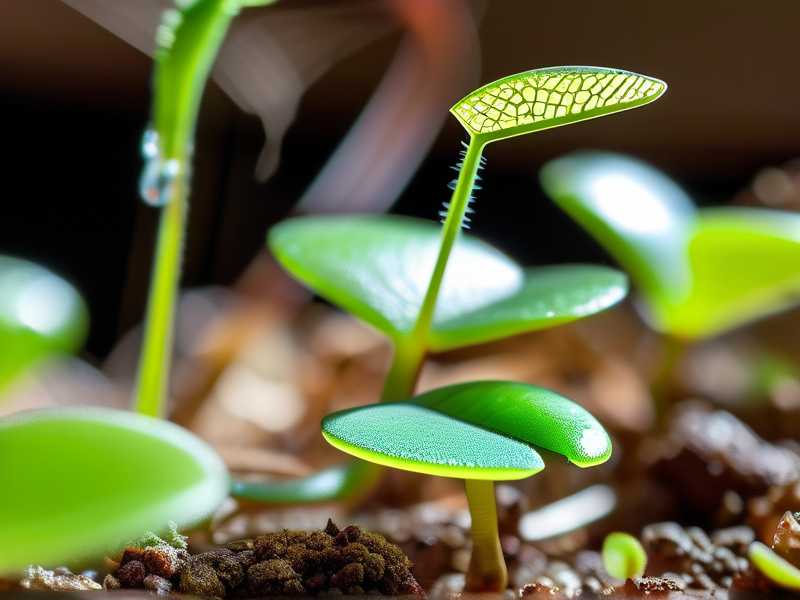
3. Thinning and Transplanting As your sundews grow, they will become crowded. Once they have developed several true leaves (not just the initial seed leaves), you can carefully thin them. Using tweezers, you can gently separate clusters and transplant extras into new pots. This gives each plant space to mature into a stunning rosette.
Troubleshooting Common Summer Seed-Starting Issues
- No Germination: Ensure seeds are fresh and weren’t buried. Check temperature—is it consistently warm enough? Some temperate species require cold stratification first.
- Algae or Mold Growth: Caused by excessive moisture and poor air circulation. Increase airflow, ensure you’re using clean water and sterile media, and provide more light.
- Seedlings Dying or Stunted: The most common culprit is incorrect water. Mineral burn from tap water is fatal. The second culprit is insufficient light, leading to weak, elongated plants.
- Leggy Growth: This is a sure sign of insufficient light. Move them to a much brighter location or bring in a grow light immediately.
Frequently Asked Questions
How long does it take for sundew seeds to germinate in summer? With the consistent warmth of summer, germination is often faster. For many common species like Drosera capensis, you can expect to see sprouts in 2-4 weeks. Some slower species may still take 6-8 weeks. Patience and stable conditions are key.
Can I use tap water if I let it sit out for a day? No. Letting water sit only evaporates chlorine; it does not remove dissolved minerals like calcium and magnesium. These minerals will accumulate in the soil and poison your sundews. Always use pure water sources: distilled, reverse osmosis, or collected rainwater.
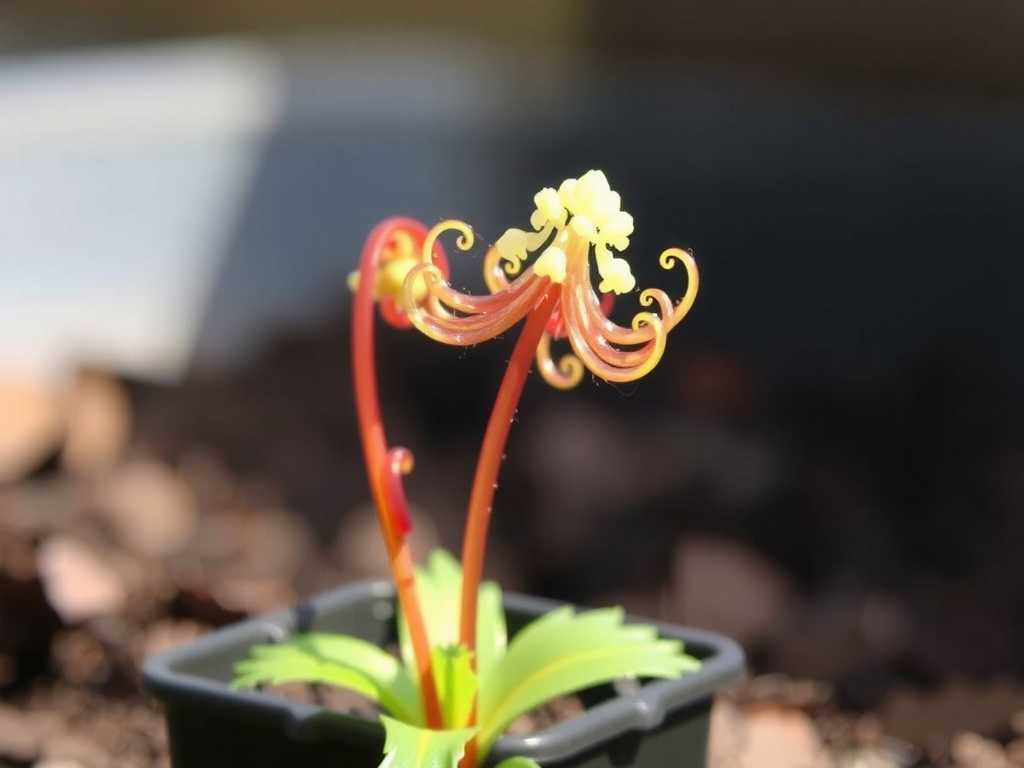
My seedlings are tiny and barely growing. What’s wrong? First, check your light source. Sundews are full-sun plants, and seedlings need intense light to photosynthesize effectively. Second, confirm your water source is mineral-free. Third, ensure they are kept consistently moist via the tray method. Given proper light and water, even slow-growing species will steadily put on size over their first season.
Growing sundews from seed is a test of patience that yields immense satisfaction. By leveraging the natural warmth and light of summer, providing the correct soil and pure water, and carefully managing humidity, you transform microscopic seeds into dewy, insect-trapping marvels. Start with a resilient species, follow these clear steps, and you’ll soon have a collection of these fascinating carnivorous plants thriving in your care. The process connects you to the unique rhythms of these plants, making the first glimpse of dew on a seedling you nurtured yourself a truly magical moment.